Showing posts sorted by relevance for query survive. Sort by date Show all posts

Monday, August 10, 2009

Medical Oops

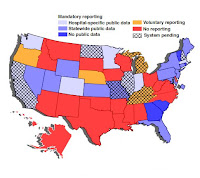
The health care debate continues to demand our attention as town halls become shouting matches and a new report released by the Hearts Newspapers have highlighted our concerns on the number of deaths as a result of medical mistakes. The report named the states where the reporting is open and the information available to the public and the standard "and the District of Columbia" tag was added. When he tried to investigate the information we found it ONLY available from the "Dead By Mistake" website. While the info is collected by DC it isn't collected or distributed by either DC, MD or VA - what it can cost us is our lives.US Hospital Maps Interactive

How do we survive IF we survive the emergency
room and our stay in the hospital? CBS news recommends: looking your doctor in the eye before surgery, writing on your body what should be done where it should be done and writing on your body what shouldn't be done, asking about what medications are being given to you and why. Who knew that Bill Cosby in the 60s and Malcolm in the Middle in the 90s would have the best solution to survive medical oops.

Great suggestions right? Not if you're unconscious or unable to verbally assist in your own recovery. Wouldn't it be better to have the procedure - whatever the procedure as an outpatient rather than in patient hospital care. The price would certainly be less than a day in a hospital bed which would reduce the costs of health care and give us better care. While hospitals would not report their complications the idea of reporting another facilities fatality might be possible.

What we need is a study on outpatient to inpatient survival rates. Lost in the health care debate is the patient and while patients death rates creep up at a one (1) percent increase per year. While it is only 1% it is still an increase and we can be the one. So we will contact the hospitals and evaluate and report which hospitals are opposed and why. What we find could save your life so continue to watch this space.

Thursday, November 11, 2010

Pneumonia Prevention

Stay warm, keep your head and feet covered, to stay healthy. That's the advice from our newest contributing writer. That's the way to stay healthy and avoid getting ill from pneumonia. Not that the research agrees with that assessment. However just as there are studies, three (3) on the issue of cold catching illnesses. Only the oldest Army study says that heat is released mostly through your head hands or feet. The biggest current stories on the disease are concerning Montana sheep, catching a virus from a monkey (in 2009) and Zyvox (Linezolid) from Pfizer to treat pneumonia.
"FWP will let Pneumonia Run its Course in Anaconda Bighorns - Montana Fish, Wildlife and Parks (FWP) reports that the pneumonia outbreak it confirmed in Anaconda area bighorn sheep on August 19th has spread beyond management control, and wildlife officials say they will let the disease run its course. FWP killed sick sheep this fall in an attempt to eradicate the infection before it spread to healthy sheep.  But, officials decided last week to cease further culling efforts after evidence mounted that the pneumonia was already widespread." - Montana's Office State Website (News Article)
That's not the only animal story concerning a virus. Though it isn't in our region and is on the other side the country. It's an old story in that the incident occurred in 2009 and there was only one person affected and only one animal involved and none other. The incident is interesting in that the impossible appears to have become possible. Illness have either passed from animals to humans. Though even those at the University of California at Davis doubt the finding. Who are we to argue.
"New virus caused 2009 outbreak at California National Primate Research Center - This would be the first time an adenovirus had been shown to jump species, (UC San Francisco virologist Charles) Chiu said. His findings have not been published in a peer-reviewed journal. An adenovirus is a type of virus that commonly causes respiratory and gastrointestinal symptoms. The employee had experienced a flulike illness around the same time that the monkeys fell ill. The employee recovered uneventfully without medical treatment. No other employees who worked with the Titi colony were found to have developed antibodies showing that they had been exposed to the virus. Nor did any monkeys outside the colony." - University of California, Davis (News and Information)
What are the federally sanctioned ways to preventing pneumonia? There are medications that can be taken but even that information is disputed by professionals in the field. That the research is disputed without the research to support their conclusions means to us that they have to be ignored. Our concerns to to keep people alive and well and if the suggestions or disputes do not advance that reality its not of much use. According to the Center for Disease Control and Prevention (CDC) how do you prevent pneumonia?
"Pneumonia Can Be Prevented – Vaccines Can Help - Reduce Your Risk - Pneumonia can be prevented with vaccines. Following good hygiene practices can also help prevent respiratory infections. This includes washing your hands regularly, cleaning hard surfaces that are touched often (like doorknobs and countertops), and coughing or sneezing into a tissue or into your elbow or sleeve. You can also reduce your risk of getting pneumonia by limiting exposure to cigarette smoke and treating and preventing conditions like diabetes and HIV/AIDS." - Center for Disease Control and Prevention (Current Features) 
PearlieMae died from a respiratory failure as a result of complications to her cancer. She was in an institution before being revived to succumb within the nearby hospital. When you're in an institution its difficult too not follow good hygiene practices. It's certainly important for the institution's personnel to practice good hygiene. Indeed it is critical and a matter of life and death. For prevention within an institution we found this information from local John Hopkins University Hospital (JHUH) for the prevention of infection. What we didn't expect to find as a preventive measure against pneumonia was the suggestion of the simple act of coughing and breathing deeply. 

"Incentive Spirometry: You will be expected to do some very simple breathing exercises to help prevent respiratory infections by using an incentive spirometry device (these exercises will be explained to you during your hospital stay). Coughing and deep breathing is an important part of your recuperation and helps prevent pneumonia and other pulmonary complications. " - Johns Hopkins University (WHAT TO EXPECT AFTER SURGERY)
We do remember the urban legend email that you'll see every now and then claiming that coughing can prevent a heart attack. Fortunately almost every debunking website has discredited the claim and though we haven't searched for the actual research or study to disprove the claim we do know that the information isn't "endorsed by Rochester General Hospital and Mended Hearts" as the message claims. 
"This coughing technique to maintain blood flow during brief arrhythmias has been useful in the hospital, particularly during cardiac catheterization. In such cases the patient's ECG is monitored continuously, and a physician is present." American Heart Association (Cough CPR)
John Hopkins is also our source for research on the issue of vaccination to prevent pneumonia. Which while presenting the information and research on the effectiveness of vaccination isn't the source that physicians tend to quote. While the myth is that the vaccines are more effective, often doubling the effectiveness percentages even among their own physicians. Even on their very own website. What's true today isn't necessarily true tomorrow. Taking that into consideration we'll allow that what was thought to be true then isn't statistically true today.
"PREVENTABLE PNEUMONIA - One vaccine, developed 20 years ago, is ninety per cent effective against these afflictions. Yet for some reason only about 30 per cent of people who ought to get the pneumococcal vaccine actually do. Johns Hopkins professor of International Health Dr. Mark Steinhoff says it could be because people assume antibiotics will clear up any health problems, especially pneumonia. But that's a mistake." - The Johns Hopkins University InteliHealth (Health Newsfeed # 941)
The most current research from a different wing of the largely same institution has found that the most recent studies are substantially different. Again we think that the sites differ only because the information that might have been considered true at the time the information was release was true at the time of publication. So while the information from the same institution differs in content and contradicts the earlier info we attribute it to time and more research.
"Pneumococcal Vaccine: Vaccinate! Revaccinate?? - It should be noted that vaccination does NOT reduce pneumonia.  A meta-analyses shows no decrease in pneumonia incidence as a result of vaccination, however it has been shown to be about 60-70% effective in preventing invasive disease (meningitis, bacteremia).  Only one study by Riley et al (Lancet. 1977 Jun 25;1(8026):1338-41) has demonstrated decreased mortality (by 44%).  Other studies to date have not been powered to do so or have not shown a statistically significant difference.  There are 40-50,000 cases of bacteremia plus 3-6,000 cases of meningitis.  Maybe half of these would be vaccine preventable." - Johns Hopkins Medicine (Pneumococcal Vaccination)
Internally we found that the John Hopkins staff was given this set of instructions which we also believe is probably outdated mostly replaced by mroe recent memos. If not one of the problems with a research institution is that the facts that always replace the procedures:
"Preventing Infections - To prevent pneumonia, carefully follow instructions about breathing treatments." - John Hopkins Medicine (National Patient Safety Foundation 2003)
While research sponsored by the Pfizer corporation found that the medication Crestor is more effective than previous thought. The Food and Drug Administration (FDA) gave the corporation a "new indication" based on the February research from the Justification for the Use of statins in Prevention: an Intervention Trial Evaluation Rosuvastatin (JUPITER) trial. What the February research and FDA gave to one (1) drug a new study taketh away from another.
"Popular antibiotic may not be best for pneumonia - The study was recently published in the Critical Care Medicine Journal. Dr. Andre Kalil, an infectious disease specialist at UNMC, found that the antibiotic linezolid is not superior to two other common antibiotics used to treat patients with hospital-acquired pneumonia. Pfizer manufactures the drug. Dr. Mark Kunkel, an executive director in a unit for the company, said other recent international research shows that the drug is superior to its counterparts. People get hospital-acquired pneumonia, or nosocomial pneumonia, from prolonged hospitalization and more resistant germs, Kalil said." The North Platte Telegraph (State News)
So if you're in the hospital recovering you might want to keep warm wearing a hat, gloves, warm socks, cough and breath deeply to prevent pneumonia. Remember our newest contributor and suggestions from John Hopkins University. It's good to know what doesn't work and what does work. It helps to know that there are drug that we can take to give us more protection but not unfortunately full protection.
"Excess heat loss in the hatless - As temperatures drop, hats and caps flourish. Even the US Army Field manual for survival recommends covering your head in cold weather because “40 to 45 percent of body heat” is lost through the head. If this were true, humans would be just as cold if they went without trousers as if they went without a hat. But patently this is just not the case." British Medical Journal (December 2008)
Though the information was mostly published in the British Medical Journal the research and information is from American institutions. The facts are from the seasonal myth busters of science. Disproving other seasonal misstatements of science that are more like medical myths than actual facts. Even if there are researchers that challenge the study not on their techniques so much as their conclusions. We suggest a study to study the study. Until there is research to contradict their conclusions we'll take the Indiana University School of Medicine professors words just like we accepted the US Army Field manual information until now.

If you want and need a prescription to address your pneumonia concerns then Pfizer is here for you thanks to researchers at the University of Virginia (UVA). The study was first revealed in September 2008 concerning the effectiveness of the medication. While any medication, indeed any treatment can have side effects, the purpose of the drug is to prevent an infection that could lead to death. If we or our loved ones can survive the side effects, no matter how uncomfortable, it beats the alternative.
"Study Shows Higher Rates of Success for Zyvox Versus Vancomycin in MRSA Nosocomial Pneumonia - Investigators from 156 centers worldwide randomized 1,225 patients, of whom 448 patients had  proven MRSA nosocomial pneumonia (modified intent-to-treat group); 339 patients also met key protocol criteria at the end of study (per-protocol group) and were included in the primary analysis." Infection Control Today (Oct 26, 2010)
So you can take the drug or follow the dictates of our federal government. The Food and Drug Administration (FDA) offers their prevention tips to survive the cold weather season. We support any and all ideas to help us survive until tomorrow. We're also willing to do anything other than exercise more and lose weight. Stop smoking, we don't smoke so sure we're all for it. So what does our FDA suggest we do to get ready:
"Get Set for Winter Illness Season - Certain people are more at risk for developing complications from flu; they should be immunized as soon as vaccine is available. These groups include:
  • people 65 and older
  • residents of nursing homes or other places that house people with chronic medical conditions such as diabetes, asthma, and heart disease
  • adults and children with heart or lung disorders, including asthma
  • adults and children who have required regular medical follow-up or hospitalization during the preceding year because of chronic metabolic diseases (including diabetes), kidney dysfunction, a weakened immune system, or disorders caused by abnormalities of hemoglobin (a protein in red blood cells that carries oxygen)" - FDA (Prevention Tips)
We're concerned that there is something about "certain people" who are "more at risk." Why and what is it about these people that makes them "more at risk?" We know that pneumonia is much like cancer not a single one of a kind infection. What causes it isn't. According to the US Department of Health and Human Services, National Institutes of Health (NIH) the solution to prevention for the elderly and those "more at risk" is vaccines. According to the University of Virginia the best vaccine if you're hospitalized or in an institution is Pfizer's Zyvox.
"University of Virginia Study Reveals Promising Method for Reducing MRSA Infections in Hospital Intensive Care Units - In a study published in the September 3, 2008 issue of Surgical Infections, UVA researchers report that switching between two antibiotics, linezolid and vancomycin, every three (3) months in the surgical ICU decreased the MRSA infection rate from 1.9 to 1.4 patients per 100 admissions. In-hospital mortality from surgical ICU-acquired MRSA infections fell from 3.8 patients per year to none." - University of Virginia Health System (Medical News)
That's been true since 2008 and to date is the best hope for surviving pneumonia. It's certainly better than it to have been a sheep with pneumonia under the previous care of the Montana Fish, Wildlife and Parks (FWP) before they decided to "cease further culling efforts." Better to suffer and survive than to be "culled." However the infection is spread complete protection is still years away. This is a constantly changing world and researchers are constantly making and releasing new information each day and when they do we'll bring the information to you. Because staying alive and keeping you alive is our reason for every season.
Friday, October 2, 2009

This Week's Dead

This is getting to be really morbid. Our weekly compilations of dead and dying from the flu (we don't care if it's H1N1 or whatever dead is dead!). It doesn't matter if its only pediatric deaths or adult death or total overall deaths. Dead is dead! We still go with that! We've added to our normal table and we think we're going with this as a final version. We've added prior years deaths by this week in the prior years. Unfortunately the number of deaths for the prior years has been exceeded by all jurisdictions. The District of Columbia with only two additional deaths will exceed the total yearly number of deaths in both prior years. None of the other jurisdictions can make that claim. You won't find this information on their website.

Pneumonia/Flu Deaths     2009       2008       2007  Swine Flu
District of Columbia        91         59         56 
Baltimore, MD      556       597       498 
Richmond / Norfolk, VA      179       163       171 

The previews for the new film 2012 is a thrill ride full of fear, fun and incredible special effects. From the previews what we like, we hope, is that the only way we can know that this happens is if the teller of the film survives to tell us the story. Which means since we're hearing and seeing the story that we survive as well. We will survive but like the film says: "When they tell you not to panic that whens you run!" When it's time to run - we will let you know. As bad as the above figures are it's still not time to panic regardless of what the film says. We're not actors and we're not acting. The official figures may be make believe however.

Monday, August 24, 2009

Flu and You

Dont PanicIf you read us more than once you know that we panic about the things the news reports tell us is "not that big a deal" or ignores completely and when the news is "half of U.S." could be infected we now say like the "Hitchhikers Guide to the Galaxy" in big bold letters DON'T PANIC! The World Health Organization (WHO) has addressed the real issue of the flu and the President’s Council of Advisors on Science and Technology (PCAST) report stated today: "The issue is not that the virus is more deadly than other flu strains, but rather that it is likely to infect more people than usual because it is a new strain against which few people have immunity. This could mean that doctors’ offices and hospitals may get filled to capacity."

You might get sick, the flu is a seasonal malady but not necessarily a deadly one. What's optimistic is there is currently an available treatment for our swine flu. What caused us concern was that distribution would be too late to save lives. Since it is very likely that we will suffer but survive this flu those that get worse will be able to receive a treatment that WILL prevent their deaths THAT is the assurance we need. We will survive!

Monday, February 22, 2010

Common Wisdom Not Wise...

...when it comes to lung cancer. The big "C," commonly considered cancer, is an automatic death sentence is a mistaken belief. Yes, it is "the most lethal cancer in the United States" but doctor can catch it in time and recovery is possible. If you're the kind of person who does the old "wait and see" for treatment because you don't have enough insurance or either don't have enough money to buy either your current medications or can't pay your co-pay for every doctor's visit that delay can mean a death sentence. So maybe common wisdom is wise but it more of a "self fulfilling prophesy" than a forgone conclusion. Believing it to be so and the depression that can ensue from having a fatalistic "doom and gloom" attitude can do more to prevent treatment and recovery.

We bet you think we just make this stuff up as we go along don't you? We don't. Christopher Lathan, MD, MS, MPH "an oncologist in the Division of Population Sciences at Dana-Farber, is the first author of the report in the journal Cancer. Senior author is Gary Bennett, PhD, of Duke University's Global Health Institute. Both whites and blacks in the survey "grossly underestimated" the bleak outlook associated with a diagnosis of lung cancer — only 15 percent of patients survive for five years."
"Many said 50 percent when the true number is 15 percent. There were three survey questions on which blacks and whites diverged significantly. African-Americans were more likely than whites (53 percent vs. 37 percent) to say they were confused by too many recommendations on how to prevent lung cancer. "This is shocking," says Lathan. "There is only one recommendation to decrease the chance of getting lung cancer. Stop smoking and avoid tobacco smoke." (Dana-Farber)
Dana-Farber (DF) is a Boston Mass based research center founded "in 1947, Dana-Farber has been committed to providing cancer patients with the best treatment available today while developing tomorrow's cures through cutting-edge research."

Last September DF discovered a protein that can aid in stopping cancer from spreading. Unfortunately the discovery that is on going doesn't appear to offer much hope to suffers of lung cancer. When Dana-Farber made Science magazine's "top ten breakthroughs of 2008" it had nothing directly to do with cancer or stopping cancer. The hope the center offers is to individuals who catch the lung cancer's in time and survive their surgeries thanks to "Yolonda Colson, MD, PhD, (who) is testing a small solution to the problem of lung cancer recurrence following surgery – small enough to fit millions of times into a grain of sand."

While the researchers at Dana-Farber have been searching for effective cancer medicines since 2003 with nearly $12 million in research fund and what's there final recommendations to prevent lung cancer? Stop smoking. Dana-Farber is no CUBA which, with less funding and no American tax dollars spent developed a lung cancer vaccine for terminal lung cancer patients. "CimaVax EGF does not prevent or cure lung cancer. It is a therapeutic vaccine which stimulates the patient's body to make an antibody against the epidermal growth factor (EGF), which is a key driver causing lung cancer cells to grow." Unfortunately the vaccine works better on the younger patients than the older. What it is more than anything else is hope to the hopeless.

Friday, September 25, 2009

Confirmed Deaths

One of our favorite BBC Scifi Programs was called BLAKES 7 and on the program their computer answered the pilots by saying: Confirmed! On the show it was the dispassionate computers way of saying: Yes!

What does confirmed mean when the local jurisdictions health departments use the word? What's that mean? Absolutely nothing! ABC News reported this morning on the new report from Connecticut where their confirmation process has been called into question because of the amount of incorrect responses received. This early indicator research suggests that having specific information of only CONFIRMED cases does not adequately provide enough accurate information to be of use to the general public or the Center for Disease Control and Prevention (CDC).

We've long maintained that to the general public, we who suffer, what we have isn't as important is how we can avoid, not be killed by, or survive it. What we need is full information and leave the specifics to the scientists and technicians. We here at PearlieMaes don't want you to die and we're certain no one wants you to die in or out of government. That's not the issue. The issue, to us, is what decisions will they or we make that will put your life and health first and foremost.

When there is an information restriction or blockage doesn't panic occur when the restrictions are removed? That's the issue. When you can't trust those trusted with "Prevention" and discover that trust was violated you have to assume the facts are so bad they are beyond belief and panic is the only rational reaction.

 By Jurisdictions  Flu Deaths  Swine Flu
District of Columbia        89 
Baltimore, MD      556 
Richmond / Norfolk, VA      170+ 


Since the first week January 2009 to September 25, 2009 these are the REPORTED figures to the Center for Disease Control and Prevention by the above mentioned local jurisdictions state Health Departments. These are the figures that are not reported on their websites.

Don't panic. From the research we're not really certain washing your hands (early and often) is sufficient to protect you from the flu. What we are certain is that diligence and hand washing creates good habits that can probably limit your exposure. Washing your hands and face we think when out in public gently while taking a clean moist paper towel to turn off the faucets, open the doors to the rest room where you wash your hands and face is probably a better idea. Because: "It's a jungle out there" - who knew you have to be "Monk" to survive it. "We could be wrong but we don't think so. It's a jungle out there!(Hear)(Read)"

So pay no attention to the obituaries. Just because people are dying from the pneumonia. They're aren't confirmed! Their deaths don't count. Just ask your health departments.

Wednesday, November 11, 2009

Simply Not The Best

Our concern is that all of us in business and in life don't always do our best. We're really critical of ourselves and we often admit to slot and inactivity knowing that there is better way of living. What made "this country great" has always been our drive to do better - together - rich helping poor, healthy helping infirmed, strong helping weak. That's the American way - united we stand. Whether that was in achievements, inventions or families we strive to go beyond what we've done before to what we can do today.
women veterans
"Nations, like men, often march to the beat of different drummers, and the precise solutions of the United States can neither be dictated nor transplanted to others. What is important is that all nations must march toward a increasing freedom; toward justice for all; toward a society strong and flexible enough to meet the demands of all of its own people, and a world of immense and dizzying change." - Robert F. Kennedy
The headlines from CNN - Women's health an 'urgent priority', The Associated Press (AP) and the U.S. News & World Report highlighted AIDS, only TIME trumpeted - Why Sexism Kills. While the original World Health Organization (WHO) press releases stated: "WHO calls for action beyond the health sector to improve the health of girls and women" -
  • Despite progress, societies continue to fail women at key times
  • Women provide the bulk of health care, but rarely receive the care they need
  • Women live longer than men but these extra years are not always healthy
  • Despite some biological advantages, women's health suffers from their lower socio-economic status
  • Policy change and action is needed within the health sector and beyond
It's easy for this nation to ignore the world when it tries to lead and direct what was usually our domain. The United States is the world leader and we set the pace for the rest to follow. We're not use to taking orders the same way PearlieMae's not use to doing what we need to do to take care of ourselves. However when it's our loved ones there is nothing we won't do to make them safe, healthy and better.
I'll pray for you, you pray for me
I love you
I need you to survive
I won't harm you
With words from my mouth
I love you
I need you to survive - David G. Frasier(View)(Listen)
Have a wonderful Veteran's Day. If you have a vet in your life, write, call, email send love in any and every way you can. If you are a Vet - we salute you! Thank you. Thank you. Thank you!

Tuesday, September 28, 2010

Programmed Salmon

When man doesn't act science fills the gap. It'll be more than the price of fish that critical ingredient to health according to every research known to man. We love all things natural but there are consequences and repercussions for our actions. Remember that 3rd law of Newton that we're so fond of. (Hey we're on a theme!)
"Tuna on the endangered list - Illegal fishing has depleted global stocks of tuna and governments must take bold action to save some critically endangered species, the conservation group WWF said Monday as a conference on the topic opened in Japan. Japan's insatiable appetite for tuna has been a key factor behind the threat to stocks, and now increasing demand from other countries is adding to the pressure." - NY Times (January 22, 2007)
One of the consequences of our OVER fishing and depletion of food supplies means more than shortages and high prices. It can result in the repercussion of poor health and diseases of old and conditions long since cured and eliminated. That however is negative doomsday thinking and while some of us live to think it others of us feel as though its too much of a downer. So with that in mind lets go to professionals.
"Continued mismanagement could force some tuna populations to quickly go the way of cod, a highly threatened fishery that once helped shape economies of whole nations, leading scientists said in the symposium “Last Best Chance for Tuna: Learning from the Cod Collapse” at the American Association for the Advancement of Science (AAAS) Annual Meeting in Boston on February 18." - World Wildlife Fund (Feb 19, 2008)
Okay so you say that's tuna and not salmon. We wish!. You see the fish that are tuna, are in the sea, well, ocean but you get our drift. Unfortunately close to home things are not that much better either. Indeed they have not been that way for some time now. So before you get all high and mighty we call your attention to this bit of historical information.
"Currently populations of salmon, steelhead, trout, and rockfish are listed as endangered or threatened in the state of Washington." - Municipal Research and Services Center (March 1999)
We don't really NEED fish to survive do we? We that depends on what you mean by survive. You've heard that we have this health care thing going on haven't you? Fish isn't important if your in great health and you exercise regularly and we've got enough stored vitamins and nutritional supplements for the next millennium.
"Some fish (such as salmon, trout, and herring) are high in a type of PUFA called “omega-3 fatty acids.” The omega-3 fatty acids in fish are commonly called “EPA” and “DHA.” There is some limited evidence that suggests eating fish rich in EPA and DHA may reduce the risk for mortality from cardiovascular disease. (EPA is eicosapentaenoic acid and DHA is docosahexaeonoic acid.)" - USDA (MyPyramid)
In any event we haven't heard the last word on the subject of genetically modified (GM) salmon eggs that grow faster than the naturally farm grown variety. Unfortunately Canada has said that their GM salmon has escaped into the wild and you know how indiscriminate those fish are. They've probably already mixed their scientific genes with those natural ones - except among the tank raised variety! Gives a whole new meaning to the term farm fresh doesn't it!

Wednesday, October 14, 2009

Staying Alive!

We don't want to be accused of promoting fear. What we have always asserted is information is power. The more you know the less fear you should have. To contribute to less fear we thought we'd highlight the positive as well as the negative in yesterday and today's news. We also don't wish to be the "flu police!" Our concern is health care not disease care. Focusing on the disease of the season isn't our raison d'etre.

First things first, in our jurisdiction, the District of Columbia still publicly maintains no deaths to the H1N1 virus though privately the number of deaths reported to the Center for Disease Control and Prevention (CDC) for flu or pneumonia from the first week of 2009 to the thirty-ninth week of 2009 (last week) is 94 as compared to 60 in 2008 during the same week and 44 in 2007. That's the official report to the government. While Maryland seems to be the hotbed of flu reporting to the feds 585 though the official count is ten (10). It's the unreported that begs to be counted.

Baltimore adds three more infections in a single location from their police department. Again we have to point out this isn't the beginning of the flu season which "officially" begins in November. This is indeed a pandemic. Though not unexpected.

flu police
Current news reports from other parts of the country suggests that seniors are largely immune to this virus and need no be concerned with it because they've developed an immunity because the strain (H1N1) isn't substantially different from previous strains. Following the report released yesterday from Canada - that would appear to hold true:

"Unlike some previous flu pandemics, which saw high death rates among the very young and the very old, "severe disease and mortality in the current outbreak is concentrated in relatively healthy adolescents and adults between the ages of 10 and 60 years," the authors write. The observation that Canadian women were at higher risk of severe illness is "striking," the authors said, noting that other swine flu studies have not noticed such a pattern." "The explanation for increased risk of severe disease and death among females in this report is unclear but the role of pregnancy as a risk factor has been noted in previous influenza pandemics," the authors noted. While the authors call the patients studied "healthy," it should be noted that 95 per cent had some underlying risk factor, such as asthma, smoking, obesity or high blood pressure. The researchers found that once swine flu patients were sick enough to need hospital care, they declined very fast, usually requiring ventilators and advanced "rescue" treatments. Patients who become severely ill had symptoms for about four days before going to hospital and then often required intense care in the ICU within one or two days; their average ICU stay was 12 days. Shock and multi-organ failure were common; 81 per cent of the patients they studied needed to be put on ventilators."

Using our "every living individual is sacred" credo playing a numbers game isn't good enough. While the stats may be in your favor you might not "want to be in that number." Get the shot - don't take the risk.

BizJournal was the ONLY article written about the affect of the flu on the non-human "corporation" - which in theory we find distasteful. In practice we can understand and would even suggest, distasteful, the loss of employees due to the virus could or would create new employment opportunities for the current and large numbers of unemployeed. Seeing the pandemic as a natural way of "thinning the herd" to paraphrase Bill Maher is in direct opposition to our very existence.

We do support the South Florida's publication's "warning." We just wish it was more humanly rather than fiscally addressed. Though in their defensive that's how a corporation shows its concerns. It just survive so that the people whom it employs can continue to thrive.

Believe it or not some paper's columnist are prompting the people should just say NO to vaccine - from California no less. Promoting oxygen therapy as a pancea for all things that ail you Lynne Gordon's article says:

Just Say NO to The Swine Flu Vaccine of 2009! & Ten things you're not supposed to know about the swine flu vaccine "I personally am NOT going to take the Swine Flu vaccine for several reasons. There are too many 'firsts' with this vaccine and because it contains Squalene..."

"...This is the third vaccine made with Squalene. (The first was the Swine Flu Vaccine of 1976 which killed 25 people and paralyzed and crippled thousands. Lawsuits from the after-effects reached 1.3 billion dollars)"

Thankfully the "informer" is misinformed and one commenter to the article point by point refutes Gordon's accusations. Most glaringly in error is that the vaccine contains "Squalene." When critics are so much in error it makes it easier to dismiss the quackery of the uninformed.

What's noteworthy of the article is that we've found a kindred in the commenters blog with which we hope to develop an association and that squalene ingested orally in olives can actually be a preventative and makes our list as what you can do for a dollar to protect yourself in this viral season. While your flu shot might not be the real deal - olives are a natural. A/H1N1 Influenza Outbreak Timeline which we highly recommend for an international view of the flu.

"...[T]he current stock of U.S. swine flu vaccines does not contain adjuvants, according to Anne Schuchat, MD, in an informational video produced by the Centers for Disease Control and Prevention (CDC). Schuchat does acknowledge that there is an emergency provision to use them — should the pandemic accelerate.

Adjuvants are being used in swine flu vaccines in countries outside of the United States, including Canada, Europe and Australia. However, even though Canada is using an adjuvanted vaccine, it has also ordered 1.8 million doses of the unadjuvanted vaccine for use in pregnant women and children under the age of 3."

Protect yourself - be informed and forearmed. You can survive this! Let's let not be apart of the thinning herd. But do NOT be afraid. You know what to do and now what must be done - and OLIVES plenty of olives! What could it hurt? Buy 'em from the dollar store and pop 'em like grapes!

If you feel ill or if your children are ill take your: "...children to the hospital if they have difficulty breathing, their skin turns gray or blue, are difficult to wake up or become irritable and can't stop crying."

"Warning signs, respiratory symptoms and high fever are reasons to seek care or talk to your health care provider," Schuchat said."

Monday, November 1, 2010

Green Tea Isn't Useless

The study said inconclusive and when compared to one (1) cup or ten (10) there did not appear to be a difference in the number of cases of breast cancer among Japanese women. Our question is that there are items in tea green or otherwise that has been shown in studies to be useful in the fight against cancer. Our question to the researchers is when has green tea been considered the only tool you'd need in the fight against breast cancer?
"Green tea drinking and subsequent risk of breast cancer in a population to based cohort of Japanese women - Although many in-vitro and animal studies have demonstrated a protective effect of green tea against breast cancer, findings from epidemiological studies have been inconsistent, and whether high green tea intake reduces the risk of breast cancer remains unclear. ...In this population-based prospective cohort study in Japan we found no association between green tea drinking and risk of breast cancer." Breast Cancer Research (October 28, 2010)
Essentially this study reflects the data found in the smaller 2009 study presented at the Experimental Biology 2008 conference in San Diego California. Since we don't have access to the full details of the research we're speculating based on the introduction and conclusion presented. What would make the information from the research more persuasive would be if attention was made and presented that disproved the results of the 2008 study.
"Effects of a Green Tea Intervention on Anthropometrics, Intake, and Glucose Levels in Breast Cancer Survivors ...results suggest that daily intake of 4 cups green tea did not significantly change anthropometrics or glucose in overweight breast cancer survivors, although these markers did move in a favorable direction. Future studies should include higher EGCG exposure and a larger sample size of breast cancer survivors who demonstrate insulin resistance at the time of study entry." Experimental Biology 2008 (April 2008)
While the 2008 researchers focused on a specific type of survivors (overweight). They also used half as much tea than the current study which ignored the leading indicators of the specific that might have impacted on those who might wish to survive breast cancer and focused on all women. The current research ignored the disease and focused specifically on all the women and not those impacted. We should be happy because our focus has been on ways to prevent cancer. Protecting PearlieMae from the ravages of the disease to which she succumbed.

The antioxidant found in green tea EGCG worked in female mice but not in female women has been found to be effective. Again we only have the abstract to go on then and now. At the same Experimental Biology conference evidence was presented to that conclusion.
"Oral Administration of EGCG, an Antioxidant Found in Green Tea, Inhibits Tumor Angiogenesis and Growth of Breast Cancer in Female Mice ...(mouse breast cancer) cells were injected in 4th mammary gland of the mice. Tumor size was monitored by measuring tumor cross section area (TCSA)." - Experimental Biology 2008 (April 2008)
This wasn't a case where mice were just observed and some were given EGCG and some were not. These mice were cancer infected and then treated with the EGCG and were compared to those not so lucky. Rather than focusing on the actual working part of the green tea the research focused on the tea itself. For us that's the flaw in the study. Not that we're always consistent in our support for the chemical over the naturals. Except in this case we have to go with the chemical.
"Green Tea and Its Catechins Inhibit Breast Cancer Xenografts - A major shortcoming of the vast majority of the antiangiogenic drugs is the fact that they require intravenous or subcutaneous administration. This is particularly problematic, since antiangiogenic drugs need to be given on a long-term basis to control cancer growth. Furthermore, many of these agents are complex peptides that are difficult and expensive to produce in the quantities and purities required for human use. Thus an antiangiogenic drug that can be administered orally and inexpensively, such as green tea, would be clinically very useful." - Nutrition and Cancer (November 2009)
The Nutrition and Cancer research conclusion is why we support tea in the prevention of cancer. We're not big supporters of green tea but EGCG and possibility of either treating or preventing cancer. The future is still not predetermined by the very large study results (53,793 women during 13.6 years) over such a large period. We believe in the possibility in spite of the results. We're hanging our hopes on this statement in their conclusion: "We also found no association of oolong tea, black tea, coffee and canned coffee intake with breast cancer risk."

It's weak we know - about like a cup of green tea. It's still something to hang our hopes upon. We found the full study results in the PDF. "Although we found no association, we cannot deny the possibility that changes in green tea intake during the follow-up period influenced the findings, particularly considering that the questionnaires used in the baseline and five-year follow-up surveys were different." See were not totally delusional. There are flaws in the study and we're going to exploit them.

Friday, October 30, 2009

We're No Doctors but

...we know doctors. There is something we can do. It's not Center for Disease Control and Prevention (CDC) approved but even the CDC believes that using some alternate means other than waiting on the vaccine isn't unacceptable behavior.
H1N1 flu
Our doctors are the international physicians from the World Health Organization (WHO) because they haven't been wrong yet. Tracing their actions and suggestions the CDC has lagged behind in suggestions made by the WHO.
Studies show that early treatment, preferably within 48 hours after the first sign of symptoms, appear associated with better clinical outcome.

For patients who initially present with severe illness or whose condition begins to deteriorate, WHO recommends that treatment with oseltamivir should start immediately, no matter when illness started and without waiting for laboratory results.

For patients at risk for serious disease, including those with certain underlying medical conditions, WHO recommends treatment with either oseltamivir or zanamivir as soon as possible after the onset of symptoms and without waiting for the results of laboratory tests.

In all cases, where oseltamivir is unavailable or cannot be used for any reason, zanamivir may be given.

Or we can just wait our turn to either get sick and survive which is the most likely scenario. We mean, after all, who expects to die. The Washington Post and the local jurisdictions Departments of Health (DC, MD, VA) each have their own schedules and neither the three (3) small meet.

Total Doses Shipped as of*10/28/09
District of Columbia
Maryland
Virginia
49,000
306,900
489,700
TOTALS

579400

There is open reciprocity - meaning you can wait in line in three (3) states for the vaccine without being a resident of state of the line you choose. We're of course, overlooking the other alternative which will go without saying. But you know what it is!

One of the great things about this nation is the ability to choose. That's what makes this the greatest nation on the face of the planet. The second thing that makes this the greatest nation on the face of the planet is that we can and often DO do better!

Thursday, October 7, 2010

We're Not Doctors But We're Here To Help You

While other editors got it right the editors at TIME magazine didn't quite get it right. We felt that if you can walk away from any health advice then that's good advice. In this case its not what you can do for yourself its what you can do for someone else. This Sunday this editor's wife observed someone who passed out in church. Her concern was that the person was no longer with us and that enough wasn't done to aid them. The news articles and research indicates that something is always better than nothing.
"The Case Against Mouth-to-Mouth Resuscitation - The study measured survival by hospital discharge: 13% heart patients who received chest-only compressions were discharged from the hospital, compared with 7.8% of those who received conventional CPR. Of those who received no resuscitation whatsoever, only 5.2% left the hospital, showing that whether you do mouth-to-mouth or not, doing something is better than doing nothing." - TIME (Healthland)
When you go to the source of the most current research even they don't give the source of their information though we're certain that it's just a matter of math. You know the kind from your school days where A is to B as B is to C. For instance Arizona Health Science Center said:
"Every three (3) days, more Americans die from sudden cardiac arrest than the number who died in the 9-11 attacks. " - The Arizona Health Sciences Center (AHSC) 
That's not what the headline would indicate in the TIME article. We've got some experience, as should anyone with a loved one, with cardiopulmonary resuscitation (CPR) training. What we learned and were told is that we should first do no harm and we're taught how and when giving aid - to do no harm. We were told that the first few minutes were crucial to the individuals survival.
"You can lessen this recurring loss by learning this hands-only CPR method that doubles a person’s chance of surviving cardiac arrest. Watch physician researchers Gordon A. Ewy, MD, and Karl Kern, MD, demonstrate the easy, life-saving method that they developed at the University of Arizona College of Medicine." - The Arizona Health Sciences Center (AHSC) 
Change is a good thing but if you're unwilling to take a chance on this non-mouth to mouth method you can always become certified by the American Red Cross who still teaches the old fashion cardiopulmonary resuscitation (CPR) just like we did. However we're going to make the switch. Better is better to us and it's less to remember, not as intimate nor as personal.
"Prepare for Emergencies with American Red Cross First Aid, CPR and Automated External Defibrillator (AED) Courses - American Red Cross first aid, CPR and AED programs are designed to give you the confidence to respond in an emergency situation with skills that can save a life. Additional training in bloodborne pathogens, oxygen administration and injury prevention can be added to CPR and first aid training to prepare you to prevent and respond to life-threatening emergencies." - American Red Cross (Taking A Class) 
There are a lot of statistics given about the risk of heart disease or heart attacks without sufficient indication of what specific research, by whom and what was used to get these numbers. If we're certain of one thing its that things change.
"Less than eight percent of people who suffer cardiac arrest outside the hospital survive." - American Heart Association (AHA) 

What's true today, if you make a change those same things, won't be true tomorrow. If you've not made any changes then yes what was true yesterday can be true today. To be honest, even if you make changes what was true yesterday can still be true today. If you make a change then its not unusual to see a change reflected but nothing is guaranteed.
"Heart Attack Risk Assessment - It's essential that you measure your risk of heart disease and make a plan for how to prevent it in the near future. Use this tool to help you assess your risk of having a heart attack or dying from coronary heart disease in the next 10 years. It will also check to see if you may have metabolic syndrome, a group of risk factors that greatly increase your chances of developing cardiovascular disease, including stroke and diabetes. This Risk Assessment can be use by people age 20 or older who do not already have heart disease or diabetes." - American Heart Association (AHA) 
This tool might not change anything for you but like Continuous Chest Compression CPR - when you're in need sometimes a little can mean a lot. It can save a life and if you see a situation we hope you'll have the proper instructions. At the very least you'll view what you can - and do no harm.

The parishioner survived, did not suffer a stroke or heart attack but tests are still being performed. His condition is stable.

Friday, November 6, 2009

No Tree Falls in DC - Flu Stats 11/6/09

If a person dies in DC and there's no one to report it are they still dead? Good news for DC residents as there were no new deaths to flu or pneumonia reported this week. Which for MD and VA was true last year and the year before - however Maryland is still reporting to the Center for Disease Control and Prevention (CDC) the highest death tolls.

Swine Flu
Pneumonia/Flu Deaths WEEK 43200920082007

District of Columbia
Baltimore, MD
Richmond / Norfolk, VA
97
639
217
70
702
182
68
548
191
TOTALS 953 954807
We love Assistant Surgeon General, Dr. Anne Schuchat of the CDC. Her press conferences are always so full of truth and information that they're scary. But we can handle the truth. Here it is (LISTEN) and remember don't panic!
  • We wouldn't expect this many states to have this widespread of a disease. Flu can last until May.
  • More than half the hospitalizations are in people under 25. 90% of the deaths are in people under 65. A flip-flop from what we see with seasonal flu.
  • Two-thirds of the children who died from the H1N1 virus have underlying condition that is increase their risk of this problem. The leading underlying conditions in children who have died are severe neurologic problems like cerebral palsy and muscular dystrophy and asthma in terms of contributing to the severe outcomes.
  • People are getting worse. They are not getting better, antivirals may be important.
  • I don't think we are at peak as a nation as a whole. What I can say is that disease continues to occur at very high levels now.

    Total Doses Shipped as of*10/28/0911/06/09Change
    District of Columbia
    Maryland
    Virginia
    49,000
    306,900
    489,700
    55,900
    523,500
    781,800
    61%
    44%
    40%
    TOTALS5794001,361,20043%
  • The other thing to mention is that in pandemics in the past, it's been tricky to predict too far ahead. In 1957 there was a substantial amount of disease in the fall. People thought, pretty much gave the all-clear sign, then there was an increase in severe disease. Another wave in '58. We are very mindful that there's a long flu season ahead and we are going to be attentive to the needs of the population, the efforts to try to protect people going forward.
  • Almost all of the influenza viruses identified so far continue to be 2009 H1N1 influenza A viruses. These viruses remain similar to the virus chosen for the 2009 H1N1 vaccine, and remain susceptible to the antiviral drugs oseltamivir and zanamivir with rare exception.
Now yes, we know that sounds pretty bad but when you're being told the worse isn't it reassuring? That is unless you think its worst than that - which we don't. We think this is as bad as it is. We were concerned that the press wasn't telling us how bad it was. This is straight from the sources' mouth. No spin and that's assuring to us. If it's bad - and we know it is. Tell us its bad and what's being done. We'll take it from there. Now take it from here by taking care of yourself and your loved one. It's going to take more than just washing your hands. Get in line and get your shot. IF you're not feeling well go to the hospital and wait in line and get your shot. Don't wait - because you may survive and most of us will. It's not about the best outcome it's about the worse that could happen to YOU!

Wednesday, September 22, 2010

Smoking Deaths

When the founder and his wife took a working vacation to South Carolina they did more than just sun and fun themselves. They walked, talked and researched. And if you're from the IRS they performed all the necessary functions to render their trip fully tax deductible under the current terms of the tax code. That is also why we've added a new state to our regional reporting.

Although South Carolina is a big tobacco state it was surprising to discover so many non-smoking establishments, although there was smoking and most ridiculous was the non-smoking section of the New China Buffet where the food was plentiful, cheap and delicious. We found the best (meaning syrupy sweet) sweet tea in all of the state. The section was separated by a booth divider that was waist high. Fortunately there were no noticeable smokers in the smoking section.
"Tobacco use is the single most preventable cause of death in the United States. Each year in the United States, cigarette smoking and exposure to secondhand smoke causes 443,000 or 1 in 5 deaths. Economic losses are also staggering. Smoking-caused diseases result in $96 billion in health care costs annually." - Center for Disease Control and Prevention (CDC)
But enough about the new addition. Let's put things into perspective by examining the winners and losers in the area of smoking health. How do we rank, meaning our region? In order of importance by how we will survive in the number one (1) spot at nineteenth (19th) is:
District of Columbia - "Among adults ages 35+ years, over 700 died as a result of tobacco use per year, on average, during 2000-2004. This represents a smoking-attributable mortality rate of 249.9 / 100,000. The District of Columbia's smoking-attributable mortality rate ranks 19th among the states."
It's all over after the District of Columbia because followed by all the over twentieth (20th) place with the others following with the great state of -
Maryland - "Among adults aged 35+ years, over 6,900 died as a result of tobacco use per year, on average, during 2000-2004. This represents a smoking-attributable mortality rate of 261.9 / 100,000. Maryland's smoking-attributable mortality rate ranks 23rd among the states."

Rounding out the twentieth (20th) level is the southern state of -

Virginia - "Among adults aged 35+ years, over 9,200 died as a result of tobacco use per year, on average, during 2000-2004. This represents a smoking-attributable mortality rate of 267.0 / 100,000. Virginia's smoking-attributable mortality rate ranks 28th among the states."

As the newcomer its certainly not the least or the last in the rankings, the very southern of the Carolinas
South Carolina - "Among adults aged 35+ years, over 6,100 died as a result of tobacco use per year, on average, during 2000-2004. This represents a smoking-attributable mortality rate of 293.4 / 100,000. South Carolina's smoking-attributable mortality rate ranks 37th among the states."

The editor has picked tobacco or at least attempted to pick tobacco as a child in the state of his birth, the most northern of the Carolinas -

North Carolina - "Among adults aged 35+ years, over 12,300 died as a result of tobacco use per year, on average, during 2000-2004. This represents a smoking-attributable mortality rate of 298.4 / 100,000. North Carolina's smoking-attributable mortality rate ranks 38th among the states."
 The Center for Disease Control and Prevention (CDC) has released reports congratulating California for their successful handling of their whooping cough outbreak and administration of their H1N1 flu inoculations. As always if you don't want your grandchildren to fall victim to its effects you'll need a shot for that!

"Pertussis, also known as whooping cough, is a highly contagious respiratory disease. It is caused by the bacterium Bordetella pertussis. Pertussis is known for uncontrollable, violent coughing which often makes it hard to breathe. After fits of many coughs, someone with pertussis often needs to take deep breathes which result in a "whooping" sound. Pertussis most commonly affects infants and young children and can be fatal, especially in babies less than 1 year of age. The best way to protect against pertussis is immunization." - Center for Disease Control and Prevention (CDC)
The CDC press release said:
New Data Show Gains in Public Health Preparedness - "Today's report indicates that our nation is better prepared to respond to a public health emergency. It also reminds us that preparedness challenges remain and our efforts need to continue," said Dr. Ali Khan, director of CDC's Office of Public Health Preparedness and Response. "We must foster improvements for rapid awareness, identification, and communication of health threats; measurable preparedness goals and response plans; and ongoing support for state and local public health." - Center for Disease Control and Prevention (CDC)
The Center for Disease Control and Prevention (CDC) has released reports congratulating California for their successful handling of their whooping cough outbreak and administration of their H1N1 flu inoculations. As always if you don't want your grandchildren to fall victim to its effects you'll need a shot for that!

So who are the CDC's top ten states that are making great strides? They are in order of success:
Percentage of Recommended Tobacco Control Investment, 2007 - Maine, 1, 85.5%; Delaware, 2, 79.4%; Wyoming, 3, 78.2%; Alaska, 4, 70.7%; Hawaii, 5, 66.6%; Vermont, 6, 61.8%; Montana, 7, 57.3%; Colorado, 8, 48.7%; North Dakota, 9, 47.1%; Arkansas, 10, 44.3% - Center for Disease Control and Prevention (CDC)
There are other rankings at the same site where you our region can do much better than published in other categories. Think of it as those other categories in the beauty pageant that have nothing to do with beauty. That's for the really desperate who wants better news than you've lost! You can go there find better news if you must and we're certain that our leaders will.

Tuesday, January 19, 2010

What Does Not Destroy

"Out of life's school of war: What does not destroy me, makes me stronger." - Friedrich Nietzsche [1895] MAXIMS AND ARROWS, 8 of 44, Twilight of the Idols, Translated from the original German
CAUSES OF DEATH
By Jurisdiction
1ST2ND3RD4TH5TH
District of Columbia
North Carolina

breast cancerheart diseaseaccidentshypertentionHIV AIDS
Maryland
Virginia
United States of America
heart diseasebreast cancerhypertentioncanceraccidents
North Carolina
Virginia

hypertentionaccidentscancer
We take the quote to mean to learn from your losses, disasters or setbacks. What makes us stronger is to learn from the problems in fighting the H1N1 and the problems in the distribution of limited supplies to a wide majority.

Haiti, the island and its people, has sufferred and unreasonable amount of natural and manmade disasters yet in their struggle to survive comes great stories of love, faith and courage. Their survival can only, we hope, make them stronger. Almost universal in voice is the belief and hope for such strength for Haiti's recovery.

May we find such strength in the things that destroy us. The top destroyers us are: cancer, heart disease, high blood pressure and accidents. It's just the order that varies and not that much from line to line. Surprising The District of Columbia and North Carolina share the same first two (2) causes: cancer and heart disease while Maryland, Virginia and the nation as a whole share the same first three (3) causes: heart disease, cancer and high blood pressure (cerebrovascular diseases). North Carolina share the last three (3) cause with MD, VA and the US: high blood pressure (cerebrovascular diseases). The District of Columbia shares it's third (3) cause with North Carolina and Virginia's fourth (4) cause: accidents. The fourth (4) for the District: high blood pressure (cerebrovascular diseases) and Maryland which reflects the national pattern: chronic lower respiratory diseases.

Data Source:
Table 29. Number of deaths, death rates, and age-adjusted death rates for major causes of death for the United States, and each state, Puerto Rico, Virgin Islands, Guam, American Samoa, and Northern Marianas, 2006 (CDC)

Friday, November 13, 2009

And Then You Die!

The headline from US News & World Report reminds of the old joke that ends with that punchline. Unfortunately when you're old, poor, Black and female it's no joke. It's no joking matter. You're the most neediest among of us, you're the most disadvantaged among us, you're the most discriminated among us, you're the most abused among us and when you marry if you get terminally ill your mate will leave you to die. Even if they don't you're the most likely to, if you have cancer, not survive when others would have.

The one headline lead us to the Journal of Cancer study we could not find but to many other studies in the journal from the US, Mexico and Switzerland. The studies relating cancer to issues of color, discrimination and poverty. Here is what we came upon in our verification process:

African-American women have increased breast cancer mortality compared with white women. Diagnostic and treatment gaps may contribute to this disparity.
Disparities in medical care among patients with newly diagnosed breast cancer were evident between African-American women and white women despite health plan insurance coverage. Interventions that address the gaps identified are needed. Cancer Journal
Racial differences in follow-up of abnormal mammography findings among economically disadvantaged women
BACKGROUND: In the United States, and particularly in South Carolina, African-American women suffer disproportionately higher mortality rates from breast cancer than European-American women. The timeliness of patient adherence to the follow-up of mammographic abnormalities may influence prognosis and survival. The objective of the current investigation was to examine racial differences in the completion and completion time of a diagnostic workup after the finding of a suspicious breast abnormality.
CONCLUSIONS: The results from this study established a racial disparity in the time to completion of a diagnostic workup among Best Chance Network participants. These findings highlight the importance of understanding the factors associated with delays in and adherence to completing the recommended workup when breast abnormalities are detected in mammograms. Cancer Journal
Ethnic disparity in mortality after diagnosis of colorectal cancer among inner city minority New Yorkers
CONCLUSIONS: The first to compare inner city minority subjects with CRC, the authors observed increased odds of death in AAs, despite similar clinical features and living environment. Tumor behavior or host response among AAs could explain this difference. Aggressive therapeutic and early detection strategies need to be tested in a large randomized study setting to substantiate our study findings. Cancer 2009.
Impact of socioeconomic status on prostate cancer diagnosis, treatment, and prognosis in Geneva, Switzerland, in which healthcare costs, medical coverage, and life expectancy are considered to be among the highest in the world.
CONCLUSIONS: In the current study, patients of low socioeconomic class were found to be at increased risk of dying as a result of their prostate cancer. This increased mortality is largely attributable to delayed diagnosis, poor diagnostic workup, and less invasive treatments in these individuals. Cancer 2009.
Prejudice against blacks is becoming unacceptable although it will take years to eliminate it. But it is doomed because, slowly, white America is beginning to admit that it exists. Prejudice against women is still acceptable. - Shirley Chisholm
The impact of Medicaid coverage and reimbursement on access to diagnostic mammography
CONCLUSIONS: Callers with Medicaid were offered appointments for DM less frequently than callers with Medicare, although both were widely accepted. State Medicaid reimbursement rates did not affect access to mammography. Cancer 2009.
Racial differences in treatment and outcomes among patients with early stage bladder cancer
BACKGROUND: Black patients are at greater of risk of death from bladder cancer than white patients. Potential explanations for this disparity include a more aggressive phenotype and delays in diagnosis resulting in higher stage disease. Alternatively, black patients may receive a lower quality of care, which may explain this difference.
CONCLUSIONS: Although differences in initial treatment were evident, they did not appear to be systematic and had unclear clinical significance. Whereas black patients are at greater risk of death, this disparity did not appear to be caused by differences in the intensity or quality of care provided. Cancer 2009.
WHO calls for action beyond the health sector to improve the health of girls and women
Despite progress, societies continue to fail women at key times
Despite considerable progress in the past decades, societies continue to fail to meet the health care needs of women at key moments of their lives, particularly in their adolescent years and in older age, a WHO report has found.
It was this final study that gave us considerable cause for concern. This was the most disheartening of all and unfortunately the full information was not available to us or you. Our only solace is that we in our lives are not making it true. For the unlucky/unblessed/unfortunate among us it is a sad reality that speaks to the real state of the nation. Reuters news service printed this story:
Men more likely than women to leave partner with cancer
The study confirmed earlier research of a divorce or separation rate among cancer patients of 11.6 percent, similar to the general population, but found the rate jumped to 20.8 percent when the woman was sick versus 2.9 percent when the man was ill.

"Female gender was the strongest predictor of separation or divorce in each of the patient groups we studied," said Marc Chamberlain, director of the neuro-oncology program at the Seattle Cancer Care Alliance (SCCA).

The researchers said the reason men leave a sick spouse can be partly explained by their inability to rapidly adjust to becoming a caregiver and to look after the home and family.
The picture of the elderly woman above was the last time we saw our namesake in her chair. It was taken just before she was admitted to the hospital for one of her last visits. When we brought her we did not know she would not be coming home ever again. We never know when the last time will be the last time. What comforts us now is the words of our family which said: "Think how better her life was with you in it!" Too many women are old and alone without anyone to care for or to care for them. Pearlie Mae Leach Frierson outlived her husband and son until there was just us. That we had her brings us continued joy.

Thursday, October 1, 2009

Don’t Wait Or It Will Get Worse

We're always so critical of the press whether its print or TV. The least we can do is when we find something we like we should be as quick to praise as we are to criticize. This morning we found some real stars and some great stories. We shouldn't be so surprised but we are.

Most notable as we constantly quote them, The Atlanta Journal Constitution (AJC), the New York Times (NYT) and Associated Press (AP) not surprisingly. It's not that they don't do good work consistently but they don't remain the source of all news.

We're not a big fan of research that reviews research to reach a conclusion but the story was called: "Deaths After Surgery - Researchers looked at 84,730 people who underwent inpatient surgery at 186 hospitals from 2005 to 2007. They found that death rates varied widely from hospital to hospital, from 3.5 percent to 6.9 percent."

The study of a study was published in the New England Journal of Medicine (NEJM): "Hospital mortality that is associated with inpatient surgery varies widely. Reducing rates of postoperative complications, the current focus of payers and regulators, may be one approach to reducing mortality. However, effective management of complications once they have occurred may be equally important..."

"...In addition to efforts aimed at avoiding complications in the first place, reducing mortality associated with inpatient surgery will require greater attention to the timely recognition and management of complications once they occur."

The researchers of the study of the research were: Amir A. Ghaferi, M.D., John D. Birkmeyer, M.D., and Justin B. Dimick, M.D., M.P.H. The Atlanta Journal Constitution (AJC) reports and you should read the entire story: "Though the new study does not directly address ways to manage surgical complications, "we can speculate," Dimick said. "A number of things in previous studies have been associated with mortality."

"Hospitals with lower surgical death rates tend to have fully-staffed, 24-hour intensive care units with physicians trained to handle post-surgical emergencies. They have high nurse-to-patient ratios in their intensive care units and their wards. "The more nurses the better because there are fewer patients per nurse," Dimick said..."

"A less tangible factor -- "just the culture of the hospital" -- also is involved, he said. Donda West Died of Heart Disease after Surgery "Do people feel afraid to call the surgeon at night, are they afraid to go up the chain of command, are they not afraid of pushing the button?"

We blog so blogs that blog on science and medicine are kindred souls. This time we praise SCIENCEBLOG.com and suggest you read their full story on the study: "The study found similar patterns in the outcomes of specific complications. For example, very high mortality hospitals had similar rates of postoperative bleeding compared to other hospitals, but patients were 50 percent more likely to die if bleeding occurred..."

..."Our study was not designed to identify the 'silver bullet' underlying why some hospitals are more successful than others in rescuing people after surgical complications. However, a patient in need of a major operation should be thoughtful about choosing where and by whom their surgery is performed."

Our obsession is with the lack of available hospital facilities and staff in our jurisdictions. It's not that we believe the sky is falling or that we're in imminent danger for terrorism or pandemic. We believe that the local jurisdictions don't want us to know how wholly unprepared we are for a large disaster. We're just not terrified so it. So far what we anticipate seems like a question of three weeks of more of severe discomfort and deaths. This is horrible and unthinkable but we will survive. Then we can hold the guilty accountable and establish policies to prevent its recurrence.

The AP says that our fears aren't unrealistic. That's most disturbing. "If a third of people wind up catching swine flu, 15 states could run out of hospital beds around the time the outbreak peaks, a new report warns Thursday. The nonprofit Trust for America's Health estimates the number of people hospitalized could range from a high of 168,000 in California to just under 2,500 in Wyoming..."

The story heading is: "Flu might fill up hospitals in 15 states" And continues: "Even though only a fraction would be sick enough to be hospitalized, health officials are bracing: When H1N1 first appeared in the spring, more than 44,000 people visited emergency rooms in hard-hit New York City, the report noted. Just sorting out which patients are sick enough to be admitted from the vast majority who need to go home is a big job. And hospital capacity varies widely. By the outbreak's peak, the new report suggests Delaware and Connecticut hospitals would fill up soonest. Also on that list: Arizona, California, Hawaii, Maryland, Massachusetts, Nevada, New Jersey, New York, Oregon, Rhode Island, Vermont, Virginia and Washington."

At the telephone press conference today Healthy Americans.org released the details of their report. You can listen or download an MP3 of the questions and answers as well as review their report on the District of Columbia and other jurisdictions.