Showing posts sorted by relevance for query diet. Sort by date Show all posts

Tuesday, February 9, 2010

Soda Cancer

Just as the American Beverage Association (ABA) gets Heidi Klum to partner with Diet Coke and the National Heart, Lung, and Blood Institute in a national heart health awareness campaign called The Heart Truth for the second (2) straight year.
“The Heart Truth campaign celebrates healthy lifestyle choices, which have become increasingly important to Diet Coke consumers. In the third year of our partnership with the NHLBI, we are proud that we can continue to play an important role in this educational conversation,” said William White, branded director for Diet Coke North America. (Drugstore News)
CBS News reports: "People Who Drink as Few as Two Soft Drinks a Week Face Nearly Twice the Risk of Developing Deadly Cancer, Study Finds". The American Beverage Association (ABA) isn't taking this research lying down.
In response to "Soft Drink and Juice Consumption and Risk of Pancreatic Cancer: The Singapore Chinese Health Study," Richard Adamson, Ph.D, former director, Division of Cancer Etiology and scientific director, National Cancer Institute of the National Institutes of Health.; former vice president, Scientific and Technical Affairs, American Beverage Association.; president, TPN Associates, LLC; and consultant to the American Beverage Association, said:

"...Only 18 out of more than 62,000 person-years were found to both have pancreatic cancer and consume more than 2 soft drinks per week. In addition to this weakness in the study, this same group was made up of individuals possessing traits identified as risk factors by the authors, including: being male, smoking, low levels of physical activity, and a high intake of fats and red meat. Importantly this study did not look at dietary patterns but instead focused on the single item of soft drinks." (ABA)
The University of Minnesota (UofM) study, where today all news research is the source, has been on path to what causes Pancreatic Cancer since prior to 2008. It was published in their alumni magazine in the May/June 2008 edition.
"(A) “Western pattern” diet, which puts you at risk of a condition known as metabolic syndrome, according to a new study at the University of Minnesota. The syndrome—characterized by abdominal fat, high blood pressure, and high cholesterol—doubles a person’s chances of heart disease and increases the risk of diabetes five-fold. What is this so-called Western diet? It might be dubbed a “fast-food diet”—with at least two daily helpings of red or processed meat (the equivalent of two burger patties) and plenty of deep-fried food. (UofM Alumni Assoc 2008)
Today's info is an advance edition of an article that will be called: "The Singapore Chinese Health Study - Regular consumption of soft drinks may play an independent role in the development of pancreatic cancer - Cancer Epidemiology, Biomarkers & Prevention (CEBP)."

It's not just beverages, though beer has it's own supporters in research. It's what could be considered the all American SuperBowl diet. It's a dietary lifestyle certain to lead to an early death.
pancreatic cancer
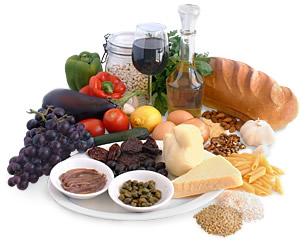
"The Mediterranean diet includes high intake of vegetables, legumes, fruits, cereals, fish and monounsaturated fatty acids such as olive oil; low intake of saturated fatty acids, dairy products, meat and poultry; and mild to moderate amounts of alcohol." - The American Academy of Neurology (AAN)
What it means to be an American appears to be a tragic death sentence. It's only a Mediterranean diet that offers the eater a longer and possibly more satisfying life and lifestyle. Thankfully our "canaries" are the Singapore Chinese. It's the death of the eighteen (18) citizens that points to us the way to a healthier alternative. The University of Minnesota has been verifying this information since at least June 2008 when the nine year study ended. (UM Alumni)

It's a process of elimination. If it's not a specific food maybe it's a specific beverage. Of course to the eighteen (18) persons who suffer - it might be worth the risk. Soda or Pancreatic Cancer I'll take the soda? That's the choice or water and no Pancreatic Cancer. Maybe I'll not take the soda. The study isn't new but then again it's not recent either. Maybe there is new formula of your favorite soda that someone doesn't give you Pancreatic Cancer at all. You never know!

Mediterranean "Life-t" not Diet

The research results was first released last year. Staying on the right track and on the right trail has gotten the Columbia University Medical Center (CUMC) to the couch crowd with it's to be released in full study: "Mediterranean Diet May Lower Risk of Brain Damage That Causes Thinking Problems"
"The Mediterranean diet includes high intake of vegetables, legumes, fruits, cereals, fish and monounsaturated fatty acids such as olive oil; low intake of saturated fatty acids, dairy products, meat and poultry; and mild to moderate amounts of alcohol. For the study, researchers assessed the diets of 712 people in New York and divided them into three groups based on how closely they were following the Mediterranean diet. Then they conducted MRI brain scans of the people an average of six years later. A total of 238 people had at least one area of brain damage." The American Academy of Neurology (AAN)
We think that the link between diet and health benefits is more than just a link. We think the entire idea behind medication is finding the right chemicals to restore your health to balance. While excess is admittedly a bad thing as too much is too much. We're not looking for a instant bullet to make a "couch potato life" the only life. We think of it like a "snow emergency." Or like a natural disaster except it's anything but natural.

There are times in our lives when we can't get the things we need because of our circumstances. This does not mean that it'll always be this way only that something is wrong and we need to survive until our life gets back "in balance." Living life until balance is restored whether it's a "9/11/2001," excessive weather struggles (water, earth or snow) or involuntary unemployment. How do we get to tomorrow with having an ethnic heritage that contrary to healthy living?
This population-based study in a multi-ethnic community living in Northern Manhattan, observed 1880 elderly subjects, with an average age of 77. The participants were interviewed about their level of physical activity and dietary habits, and their responses were then summarized into two single scores. The study subjects were then followed to observe which subjects went on to develop Alzheimer’s over the course of approximately five and a half years. (Nikos Scarmeas, M.D., August 11 ) (CUMC)

“So it seemed that the more that they were doing in terms of both diet and exercise, the lower was their risk for the disease,” said Dr. Scarmeas. Dr. Scarmeas further noted that even low degrees of physical activity reported by these elderly study subjects seemed to be associated with having a protective effect against Alzheimer's. “This study is important because it shows that people may be able to alter their risk of developing Alzheimer’s by modifying their lifestyles through diet and exercise,” said Dr. Scarmeas. (CUMC)
Eat drink and be merry for tomorrow you will remember and live! CBS News reported: "Some people dislike the term "soul food," a phrase that was coined in the mid-1960s to describe the food developed by African-Americans of the southern US, because they think it is pejorative. But food historian and writer Donna Pierce embraces the term, saying that soul food is the one common factor that African Americans across the country have in common, and argues that there is a clear differentiation between soul food and Southern cooking."

The research conclusions were: "Higher adherence to a Mediterranean diet was associated with slower MMSE cognitive decline but not consistently with other cognitive tests. Higher adherence was not associated with risk for incident dementia." Journal of the American Medical Association (JAMA)

Our conclusions that soul food or southern cooking doesn't do enough to prevent what we know are the leading causes of death for not only Americans but for residents in our jurisdictions either. When we're dying from preventable factors and that these factors (hypertension as a risk factor for cognitive impairment - American Journal of Hypertension (AJH)) also contribute to a lower quality of life and lower quality of living.

Of course you could also ignore us and continue to eat the way you always have and the good news is you'll probably forget that you even knew better. When we die we'll be aware and in full control of our faculties - boy that'll suck!

Friday, October 1, 2010

Conventional Weight Loss

Conventional wisdom while conventional might not always be wise. Were constantly being told that exercise and weight loss is the way to a healthier life. The research that we seek out or are directed to discover is when the research is correct and how that research is reported incorrectly. The founders wife asked us to look into a report that people with type 2 diabetes didn't have to exercise to loss weight. Our kind of story. That's not what we found. Instead we found that "Intensive lifestyle intervention can produce sustained weight loss" which is the traditional party line. Exercise and lose weight - there is no other way that takes it off and keeps it off according to the four (4) year study. We did find this information.
"Lower Fat Diet in Diabetes - There are today three distinct views concerning the proper diet in diabetes. One group of workers believes that carbohydrates should be kept at a point believed to represent glucose tolerance of the patient. The second group advocates a high fat, non-ketogenic low carbohydrate diet. The third group, holding the most recent views, advocates what seems like a very high carbohydrate and low fat diet. All agree upon the desirability of avoiding ketosis, meeting caloric needs and supplying the patient with a physiologic diet. - Annals of Internal Medicine (December 1930)
Conventional wisdom from the best minds of their time. To that end we offer you this latest information from the best minds of our time. Think of information and research as more round earth theory than flat earth theory. We think that if you're still alive at the end of the day you're ahead of the game. This doesn't mean that we think that the idea of exercising to lose weight is a flat earth theory we don't.  We can hope and pray but we know that that won't necessarily make it so.
"Low-Carbohydrate Diets and All-Cause and Cause-Specific Mortality - A low-carbohydrate diet based on animal sources was associated with higher all-cause mortality in both men and women, whereas a vegetable-based low-carbohydrate diet was associated with lower all-cause and cardiovascular disease mortality rates." - Annals of Internal Medicine (September 2010) 
What a difference twenty-three (23) years and over one hundred twenty-nine thousand seven hundred and sixteen (129,716) people later. We know more today than we did eighty (80) years ago. We know more or do we? The research numbers are difficult to dispute when they're so large and comprise two (2) studies and not one (1). What a difference a millennium and computers make.
"...a doctors group seeks to compel the agency to alert patients to safe dietary alternatives to Avandia and other diabetes drugs that may increase the risk of stroke, heart failure, and death. The nonprofit Physicians Committee for Responsible Medicine (PCRM) is filing the suit in the U.S. District Court for the District of Columbia. The lawsuit targets FDA commissioner Margaret Hamburg, M.D., for failing to act on a PCRM administrative petition urging the FDA to require that diabetes drugs carry warning labels telling patients that low-fat plant-based diets can effectively treat type 2 diabetes without dangerous side effects associated with oral medications." - Physicians Committee for Responsible Medicine (PCRM) July 2010 
When we reported on the pine bark extract research were news reports cited its supposed ineffectiveness we call your attention to Food and Drug Administration (FDA) approved drugs that are dangerous and deadly rather than possible useless. We maintain that while the Japanese pine bark extract might have been useless in the application tested that misuse of any medication generally renders it ineffective.
"AVANDIA may increase the risk of heart problems related to reduced blood flow to the heart. These include possible increases in the risk of heart-related chest pain (angina) or "heart attack" (myocardial infarction). This risk seems to be higher in patients who took AVANDIA with insulin or with nitrate medicines. Most people who take insulin or nitrate medicines should not also take AVANDIA. If you have chest pain or a feeling of chest pressure, get medical help right away, no matter what diabetes medicines you are taking. Patients with diabetes have a greater risk for heart problems. It is important to work with your doctor to manage other conditions, such as high blood pressure or high cholesterol." FDA (February 2008) 
We reported on the complaint that the Food and Drug Administration (FDA) had against POM the "pomegranates and pomegranate-based products" company and we were against it. We support the FDA in it's efforts to protect "the public health" we just think that going after this one privately held company isn't necessarily in that interest. We could be wrong and POM might have been asking for it since they did sue Minute Maid. Not that there's anything wrong with it! We just don't like lawsuits.
"Protecting the food supply, making it safe, making it nutritious, is one of the most fundamental duties of government," says Michael R. Taylor, Deputy Commissioner for Foods at the FDA. He explains that for a hundred years the public has really depended upon FDA to prevent foods from being contaminated and to set standards for labeling foods to help people know what they are buying and hopefully choose healthy diets. But the Office of Foods, created in 2009, came into being as a response to new challenges involving the food supply. The new emphasis, says Taylor, is on implementing "common sense measures" to prevent problems before they occur." - FDA Basic Video (Food Safety and Nutrition) 
You can watch the video of DC Michael R. Taylor in his own words describing the Food and Drug Administration's position and purpose. The FDA is the last line of federal defense against hucksters and snake oil salesmen that seek to separate you from your money and can endanger your health. We worry like the PCRM agency gives too much levy way to big businesses at the expense of the individual. Not always and not as a matter of policy. Sometimes lives are put at risk and when they are we're here to say: "Don't Do It!" If and when necessary - which we presume will be few and far between. Mostly we're here to say don't wait for the dead and dying.
"24-Week Phase 3 Study Found Investigational Drug Dapagliflozin Improved Glycosylated Hemoglobin (HbA1c) When Added to Glimepiride in Adults with Type 2 Diabetes Mellitus - The study also demonstrated that dapagliflozin plus glimepiride achieved reductions in the secondary efficacy endpoints of change in total body weight, oral glucose tolerance test (OGTT) and fasting plasma glucose (FPG) levels from baseline at week 24 compared to placebo plus glimepiride." - AstraZeneca (September 20, 2010) 
Okay this is awkward. We've said what we said and then we drop this bit of news on you. So let's just say it now. That the preceding statement has little to do with the aforementioned quotation. It's just where it fit into the story. We will however include both good news and bad news about the "less exercising better results" product simply as a matter of information. We aren't making any judgments on the product. Twenty-four (24) weeks and almost six hundred (597) patients discovered that "dapagliflozin plus glimepiride" achieved reductions and this is an amazing research revelation revealed at the European Association for the Study of Diabetes in Stockholm this week. Now if someone decides to test the new drug WITHOUT glimepiride which should result in no reductions that will mean it's ineffective. Unlike pine bark extract which is relatively harmless while the new drug dapagliflozin is anything but harmless.
"New Diabetes Drug Dapagliflozin Closer to Approval - Generally, the occurrence of side effects was about equal across all four groups. Rates of genital infections were higher among patients treated with dapagliflozin than those taking placebo, but the infections were mild and did not cause any patients to withdraw from the trial." - Emax Health (October 2009) 
We are not anti-perscription drug. Remember what we said earlier. If you're still alive at the end of the day you're ahead of the game. We want you ahead - not dead. Food and Drug Administration (FDA) approved drugs can put your tomorrows at risk. Sometimes this federal organization has to be forced by lawsuit to do what's best for you and we. Given the choice of treatment between Dapagliflozin, pine bark extract or bariatric (weight loss surgery) operations we'd choose the first two (2) rather than the latter.
"Risk of Suicide after Long-term Follow-up from Bariatric Surgery - Compared with age and sex-matched suicide rates in the US, there was a substantial excess of suicides among all patients who had bariatric surgery in Pennsylvania during a 10-year period. These data document a need to develop more comprehensive longer-term surveillance and follow-up methods in order to evaluate factors associated with postbariatric surgery suicide." - The American Journal of Medicine (September 2010) 
Weight loss surgery might seem to be the easiest solution to the problem of obesity because you just lie back and let the surgeons cut away while dreaming dreams of sweetness and light. You awaken and hopefully be lighter while feeling so much better ignoring the ugly scars that indicate the procedure. There's a real couch potato feeling to it with one research demonstrated downfall. It could be that Pennsylvanians are more susceptible than other citizens but when the surgeries are in excess of sixteen thousand (16,683) the numbers are difficult to dispute or ignore.

Monday, October 4, 2010

Preventing Breast Cancer

We're very concerned about this topic because of how it affected us through our families and the women in our lives and on our staff. PearlieMae's death was a result of her fear of breast cancer. The cancer spread from there to her back and into the bone . This being National Breast Cancer Awareness Month we thought we should contribute to its success. PearlieMae might have wanted it that way though we know she would shudder knowing we've revealed her "Big C" condition.
"The Shanghai Breast Cancer Survival Study, a large, population-based cohort study of 5042 female breast cancer survivors in China. Women aged 20 to 75 years with diagnoses between March 2002 and April 2006 were recruited and followed up through June 2009. Information on cancer diagnosis and treatment, lifestyle exposures after cancer diagnosis, and disease progression was collected at approximately 6 months after cancer diagnosis and was reassessed at 3 follow-up interviews conducted at 18, 36, and 60 months after diagnosis. Annual record linkage with the Shanghai Vital Statistics Registry database was carried out to obtain survival information for participants who were lost to follow-up. Medical charts were reviewed to verify disease and treatment information." - Journal of the American Medical Association (December 9, 2009)
We're believers in soy products yet we're not certain that removing the other nutritional factors from the above equation makes it a wonder drug. Genetically Asian women suffer less from breast cancer than European and women of African descent. The results aren't new in 1998 American Journal of Clinical Nutrition drew a connection between soy and breast cancer. It's worth noting during this "Pink Month" because its use might be prevented.
"The following may reduce breast cancer risk: kelp; forsteronia refracta compound; oleic acid in olive oil restricted calories; apple, Danggui Longhui Wan ( chinese medicine); moderate exercise; turmeric, fish oil, weight loss, omega-3 fatty acids, cabbage and sauerkraut; Artemisinin; vitamin D, soy, garlic, grape juice, whole wheat, pro-vitamin E, low-protein diet, doing home work, high dietary fiber, broccoli, breastfeeding, grapes, green tea and mushroom, vitamin c, and sun exposure. Those factors that may boost risk are: high GI diet, alcohol, adipose fat, Bisphenol A; cleaning chemicals, hormone therapy, french fries, omega 6 fatty acid linoleic acid found in corn and soybean oil; mamograms, dietary fat, red meat and processed meat, barbecued meat, grapefruit, western diet, aluminum salts, radiation, iron, antibiotics, calcium, living in a large, metropolitan area, and acrylamide." - Food Consumer (Pink Tips)
Missing from that list is the desire to seek care until its too late. Both men and women suffer from that same condition of fear if our personal experience is any indication of having cancer and seeking immediate medical treatment. We don't want to know, believing ignorance is bliss and that we can't die if we don't know for sure. How's that for research. We believe that nothing "boost risk" more than fear and trepidation whether you're male or female.
"Although not all experts are convinced that it's safe to begin advising women to add soy to their diet, they agree that there is no need to avoid soy altogether. "What I've been telling my patients right now is that soy as part of a healthy balanced diet is safe. But I would avoid trying to eat a totally soy-based diet or taking a soy supplement. You have to be careful in not extrapolating beyond the study," says Dr. Richard Lee, medical director of the Integrative Medicine Program at MD Anderson Cancer Center in Houston." - Time (December 2009) 
We'd have to agree. The nutritional solution isn't a one (1) item choice. Variety seems to be what all the experts agree upon. The Pink Tips given offer a variety of items that together might be the super fuel that would be a preventative against breast cancer. Though finding a lump and leaving it rather than calling attention to it to your physician is a mistake that can cost you your life and your family much pain and suffering. Unfortunately we have too much experience with the latter than we care to admit or ever care to see repeated.

Thursday, October 29, 2009

Diet and Exercise - You Still Die!

Right after our live lazy and be happy complaint from yesterday comes another study pushing lifestyle changes and diet to live a healthier life. Our argument used to be that the evidence wasn't conclusive. We admit that Diet and Exercise is a better way to live a healthier life. It's not always easier or convenient but yes it is better. But that's just more blah, blah, blah! Tell us something that we don't know something that doesn't just point the finger at us. Blaming the victim isn't what the victim wants to hear. We weren't born not exercising. Lifestyle changes is how the latest research in THE LANCET puts it.

The US News and World Report examines the full report in todays edition and we were praying that they'd get it wrong. They didn't. Thanks reporter Steven Reinberg kids! Thanks Mr. Reinberg! Ignoring us they report: "(N)ew research, published in the Oct. 29 online edition of The Lancet, shows that losing weight and exercising can delay or prevent the onset of diabetes more effectively than the prescription drug metformin or a placebo."

What's the difference between exercise and sloth: "58% with intensive lifestyle intervention and by 31% with metformin" (a diabetic drug).

We like the idea of intensive lifestyle intervention because it doesn't just say exercise you fat lazy bum. For instance winning the lottery is an intensive lifestyle intervention. Vacations are intensive lifestyle interventions. Where are studies showing how working forty (40) hours a week or five (5) days is bad for your health? We've railed against diets in past articles and will probably continue to do so.

We've also shown how our jurisdictions aren't very well regarded in the areas of health. Even included in yesterdays articles is information showing that the things that are killing us other than accidents are largely preventable. We're rather think of the problem as ours rather than ours. Is that understandable? Rather than "me blaming you" and "you blaming us" that we all have a responsibility to create an arena where we all can tackle the problem and reach a mutually agreeable solution.

Maybe its the word "die" in the word diet that really gets our gall! Nawww. It's just that food that's bad for you just taste so good!

Tuesday, November 16, 2010

Losing Snacking Weight

It was a story we could not ignore. We don't believe it and it's not so much research as it was a single person trial. Unfortunately its much todo about nothing because as wonderful as all the stories make it appear.

"PROFESSOR USING SNACK CAKE DIET TO COUNTER POPULAR HEALTH BELIEFS - His special four-week diet started Aug. 25. It includes products like peanut butter-chocolate bars, chocolate cake rolls, breakfast pizza, donuts and sugared cereal. Within the first four days of the diet, Mark Haub, associate professor of human nutrition, had lost seven pounds by eating foods high in saturated fats and sugar while maintaining his calorie goal of 1,800 kilocalories a day. "It's portion controlled. I'm eating foods that are deemed by many to be unhealthy; we will see if they are," he said." - Kansas State University (News Services)
You're hooked and ready to jump on the trial and be test subject number two (2) understand that it includes vegetables by the can, a fresh tomato and the dreaded exercise of over an hour to actually result in actual weight loss. Just when you thought you could eat your weight in snacks and actually lose weight. It is more like a commercial for eating snack food using the right portions. For how unreasonable that is read the back of your snack package and determine how many serving are actually in the pack.
"Many think increased weight gain leads to diabetes, heart disease, mortality and more. But associate professor Haub said research from the Centers for Disease Control and Prevention has found overweight people have lower mortality rates and health care costs. Haub said his diet also is easy on a budget. "It's very inexpensive and I get all of my calories for about five bucks a day," he said. "I am not promoting this or recommending it; it's just an exercise in nutrition." - Kansas State University (News Services)
The story was more a come on than an actual fact based account. Not that the associate professor is being dishonest or that the story isn't true - actually the headline from all the news services and Kansas State University is misleading. It's not so much the foods that you eat as it is in the calories you burn when you eat whatever you eat. Less calories and more burning of the whatever is left results in weight loss. Thankfully the YouTube video fills in all the gaps in the both the news stories and KSU website.
"Deakin in the news - a new snack food developed by Dr Keast who also happens to be a qualified chef. Consisting of a parmesan cheese cracker and organic mashed potato, the snack also contained natural additives – such as an antiinflammatory agent, oleocanthal, and omega 3 fatty acids – and a natural appetite suppressant. Dr Keast said it was the first time oleocanthal had been included in a manufactured food and research was continuing into its flavour and health promoting properties. ‘Overall, the snack is a vehicle for these health promoting compounds ... while it is not a natural food it is an innovative food,’ he said. A senior lecturer in the area of sensory science, Dr Keast’s research has also helped reduce bitter taste in pharmaceuticals with particular emphasis on paediatric formulations." -  Media buzz PDF (April 2, 2008)
The magical properties of oleocanthal was going to make snack food more tasty and better for us. The miracle ingredient was going to allow us to eat all the junk food we wanted as cheesy, greasy and tasty as we love and have been so far unable to resist. Oleo, the olive oil based ingredient (that makes us think of Oreo) would make our weaknesses palatable, pleasurable and make portion control possible. We could eat the whole container and our bodies would tell us that its time to stop.
"The SENECA (Survey in Europe on Nutrition and the Elderly: a Concerted Action) study, developed from 1988-89 to 1999, showed that the food pattern of southern European elders appeared to be the healthiest, since it was rich in grain, vegetables, fruit, lean meat and olive oil; however, a sufficient energy intake seemed to be necessary for an adequate micro nutrient intake. ...Nutritional status of free-living people in Palma de Mallorca is defined by a high prevalence of overweight and obesity and a low risk of undernutrition. This elderly population showed an imbalanced dietary intake, mainly characterized by low energy intake, too much energy derived from fats and proteins and poorly derived from carbohydrates, low dietary fibre intake, risk of atherogenic potential, and inadequate mineral and vitamin intake. An increased risk of osteoporosis and bone fractures may be expected, due to their high animal protein intake and low calcium and vitamin D intake. An increase of dietary complex carbohydrate and fibre, a decrease of fats, mainly SFA, and a balanced intake of animal/vegetable proteins and fats is recommended. Dietary supplementation, especially with calcium, vitamin C and E, and occasionally vitamin D, may be useful to improve nutritional and health status of freeliving elderly people in Palma de Mallorca." - University of Navarra (05 TUR e/c/7)
Why is this Spanish research important? We want you to live longer, stronger and better lives. We also think to be successful you should first see who is and emulate them which is the what the European Survey did. We'll admit that less than two hundred and fifty (250) people aren't a substantial population. We don't dismiss their findings. The "freeliving elderly people" from the now Palma, Spain are apparently "fat and happy." Since they have long life and health even they could have better lives with some supplementation. When science helps us to enjoy our lives of excess we're all for that kind of research.

Tuesday, September 1, 2009

Diets Work on Diabetics

high cholesterol Dr Phil is known for saying "Diets Don't Work" but the Annals of Internal Medicine says that research on Italians and Rachel Ray EVOO followers would disagree with that for diabetics of type 2 after four (4) years. Good news and good video. (1:46)

"Compared with a low-fat diet, a low-carbohydrate, Mediterranean-style diet led to more favorable changes in glycemic control and coronary risk factors and delayed the need for antihyperglycemic drug therapy in overweight patients with newly diagnosed type 2 diabetes."

Diet or Drugs? The choice is eating a diet of italian style foods or take expensive drugs and make more trips to the pharmacy? Another very tough choice for us to make.

Tuesday, November 10, 2009

Sweet Love

We delayed telling you this for as long as we could. We verified and then verified our verification all because the news is not good. You've heard and maybe read about it online and we hoped we'd hear something back on the other side to ignore this information to no avail.

The news isn't good so we might as well face it. Everything sweet is bad for you. Two studies by two different research teams on two (2) coast from fructose corn syrup (HFCS) to artificially sweetened drinks of any variety increases your risk of high blood pressure or " kidney function decline." Drink more than two (2) and you're going to pay medically. No if and or buts about it.

From the UK (Snack and soft drink sweetener putting millions at risk of high blood pressure) to the US:
"There are currently limited data on the role of diet in kidney disease," researcher Dr. Julie Lin, of Brigham and Women's Hospital in Boston, said in a news release. "While more study is needed, our research suggests that higher sodium and artificially sweetened soda intake are associated with greater rate of decline in kidney function."
The first study looked at diet and kidney function decline in more than 3,000 women enrolled in the national Nurses' Health Study. The researchers found that:
"in women with well-preserved kidney function, higher dietary sodium intake was associated with greater kidney function decline, which is consistent with experimental animal data that high sodium intake promotes progressive kidney disease."
The second study looked at the association between sugar- and artificially-sweetened beverages and kidney function decline in the same group of women. The researchers found an association between two or more servings per day of artificially sweetened soda and a two-fold increased risk of faster kidney function decline. There was no connection between sugar-sweetened beverages and kidney function decline.
The association between artificially sweetened beverages and kidney function decline persisted after Lin and colleague Dr. Gary Curhan accounted for other factors, such as age, obesity, high blood pressure, diabetes, smoking, physical activity, caloric intake and cardiovascular disease.
Further study is needed to better understand how artificial sweeteners influence kidney function decline, the researchers said.
Our problem with the report was that the press release was the actually ABC News story rather than the other way around. So we immediately sought one of the researchers while contacting all of the usual suspect (American Beverage Association).
They had little (read nothing to say to us) to say on their website. The information they had was old and outdated.
The fact is that the compendium of science, regardless of funding source, does not show that soft drinks or other sweetened beverages uniquely contribute to obesity - nor, for that matter, that they are uniquely linked to any negative health consequences. In fact, the authors fail to cite a study funded by the Canadian government that examined a sample size of more than 137,000 school-aged children in 34 countries - a sample size larger than the combined total of the studies that were cited by these researchers - and found no association between soft drink intake and body mass index. Furthermore, a study funded by the National Institutes of Health and published earlier this year in the New England Journal of Medicine supported that all calories count - and that balancing calories consumed from all foods and beverages with the calories burned through physical activity is what matters.
What we did find was quotes from WedMD:
Asked to review the study findings, Maureen Storey, senior vice president of science policy for the American Beverage Association, says in a prepared statement: "It's important to remember that this is an abstract presented at an annual meeting." She notes that the research needs further scrutiny by researchers.
She acknowledges that kidney disease is serious but that diabetes and high blood pressure account for the majority of kidney disease cases, ''not consumption of diet soda."
We thought the research was presented in a way that made us suspicious which is why we made direct contact with one of the researchers hoping for a copy of the original press release. Instead what we got was an interchange that didn't reassure us at all.
We studied all sugar-sweetened beverages, sugary sodas, and diet sodas in our investigation so I cannot speak to the applicability of the drinks you mentioned below. We found an association between faster kidney function decline and >=2 servings of artificially sweetened sodas per day but not with other beverages. - Dr. Julie Lin
The abstract that's not online said:
We identified 3256 women participating in the Nurses' Health Study who had had data on sugar sweetened beverage (SSB) or artificially sweetened soda intake and (epidermal growth factor receptor) eGFR change between 1989 and 2000. SSB included soda, fruit juices, punch, and iced tea. This group included 730 diabetic women participating in a sub-study of kidney function. Cumulative average beverage intake was derived from the 1984, 1986, and 1990 food frequency questionnaires.
Median age was 67 years, 97% were Caucasian, 54% had HTN, 24% were diabetic, and median eGFR was 85 ml/min/1.73 m2 at baseline in 1989.
Consumption of > 2 servings per day of artificially sweetened soda is associated with a two-fold increased risk for kidney function decline.
We're holding on to the hope of Splenda. Though it really isn't sweet enough for some of us. Some of us only have less than two (2) a day but other of us drink like it's going out of style. Yes, we know about the "rat" study but that was thrown out of court and it's from the Sugar Association against Splenda. Listen we need something sweet since every dentist in the world speaks against the ills of sugar (and we really don't like dentist! - Do you?).

Wednesday, September 22, 2010

Sick Fees

It costs to be sick. It costs us all. The problem is that it really is extensive to be sick. As the health care debate rises the news isn't good for things that make us unwell. Whether its age related or lack of exercise or even preventable if we don't smoke or avoid second hand smoke. Sickness cost and the costs are ballooning. CBS News and many news organizations across the pond are reporting on the cost associated with Alzheimer to all of us with this "seventh (7th) leading cause of death."

While the recent news stories have focused on the cost associated with health issues our concern is with the living costs. We're dying every day. The costs to US are the loss of lives. That's the real costs. While US News & World Report focuses on financial costs associated with obesity thanks to the research from our very own George Washington University.
"For those who are overweight, the main cost drivers are direct medical costs – 66% for women and 80% for men. Conversely, while direct medical cost is the primary driver of costs for obese men, only one-third of the overall costs for obese women are medical costs." - (Heavy Burden Report)
The same researchers from George Washington told us that early man (though they don't say how early) ate like apes, monkeys and pigs. According to that research that diet was probably better than our current diet.
"...suggests that early humans consumed large, hard foods such as seeds and nuts and occasionally used high bite forces to do so. "
While this research told us what they ate, it does not say how health this seed nut diet was. It lead to us but if you're like we are we're always looking for the better. We think that (without any source of attribution) that the hard foods may have been more for dental care as well as need. Seeds and nuts don't require refrigeration that soft foods would might require. In our humble opinion.

Prior GW research found that:
"Various public agencies and private corporations have introduced measures that seek to provide financial incentives to those who reduce their weight, and to levy penalties on those who do not. Companies such as Safeway that run their own insurance programs grant up to 20 percent reductions in premiums as “bonuses” to employees who meet certain health standards, which include [4] having what is considered a healthy BMI. Alabama penalizes obese state workers through increased health insurance premiums, and North Carolina does it through moving obese employees to health care plans that cover less of their costs." - Journal of Health Communication (Oct Nov 2009)
The University researchers aren't just pointing to the problem they also offer twenty-four (24) solutions to the problem since 2009. What GW University said back in 2009 was:
"Obesity—The Facts Are Now In—Now What to Do - Currently, there is no clear consensus on a obesity prevention framework, despite the Institute of Medicine convening workshops to develop a systems approach that explicitly takes into account the social contexts in which decisions are made and the multiple interacting determinants of policy and community action." (Page 2) (PDF)
The twenty-four (24) items haven't been done. That's the sadness of their suggestions and their research. They know what to do and know how to have it done - it just hasn't been. For us the good news is - it's not our fault. You should, rather we should, exercise more and eat better. It's difficult to eat healthy in the desert or stranded at sea. Unless we've stocked up its nearly impossible and very unlikely. Thank goodness their suggestions are pointed to other causes rather than at us.

One thing that we can do (for men) - is detection - the key to prevention. However when it comes to prostate cancer this is especially so.
"Prostate cancer affects one in every six men at some point in their lives. Aside from skin cancer, prostate cancer is the most common form of cancer found in men. However, with almost nine out of 10 prostate cancers found in the early stages, the survival rate after five years is nearly 100 percent!" - Maryland Gazette
If we can only get men to undergo the invasive procedure that can lead to prostate cancer (PC) detection they'll be one less common cancer to worry about.
"The average age of diagnosis is 69, but men as young as 30 or 40 can also have prostate cancer. "The other major risk factors are race and family history," says Oh. "African-American men are at increased risk, as are men who have a first-degree relative with prostate cancer." Some studies suggest that diets high in animal fat also up your risk, while diets high in vegetables can cut your risk. If you fall into a high-risk category, it’s recommended that you start prostate cancer screening in your 40s. "For everyone else, it’s recommended you start discussing screening by age 50, with annual screenings thereafter." - NY Daily News
We could always return to eating like "apes, monkeys and pigs" and we MIGHT NOT have to worry about the big "PC" - men! It's something to think about before its too late. Otherwise it'll cost ya! Actually it'll cost us all.

Saturday, October 23, 2010

Soy Safe Breasts

We disagree with the American Heart Association's (AHA) conclusions on soy. It's not that they're wrong or that their statements are incorrect. The AHA conclusions are misleading. Our newest associate editor accused us of trying to kill him because we fed him vegetables. He claims he's allergic to vegetables, jokingly. The American Heart Association (AHA) will later conclude that soy is not bad for you. We think that's not strong enough in support of soy.
"AHA Comments to FDA on Soy Protein and Coronary Heart Disease Health Claim - at this time the totality of evidence linking soy protein consumption with reduced risk of coronary heart disease is not sufficient to meet the standards of significant scientific agreement (SSA). Thus, AHA strongly recommends that FDA revoke the soy protein and CHD health claim. We understand that if the FDA decides to revoke this SSA health claim, the Agency could consider allowing its use as a qualified health claim. We urge FDA not to do so. Consumer research conducted by AHA, FDA, and others has repeatedly shown that despite the presence of qualifying language, consumers do not understand qualified health claims and do not understand that they are based on limited and varying degrees of evidence. Therefore, AHA does not support the use of qualified health claims; only health claims meeting the SSA standard should be permitted." - American Heart Association (May 1, 2008)
Headlines don't help and the news reports you read or view don't have the time to accurately explain the research results. The American Heart Association (AHA) is accurate saying that soy protein doesn't prevent cancer. Neither does beef or pork prevent cancer or heart disease. If you have to eat a soy burger, hamburger or pork chop you'll be better off eating the soy than any of the alternatives. While soy protein might not be heart healthy processed soy is better than processed meat as an alternative. It might not make you live forever it would be better if you ate tofu, cooked soy beans with your unprocessed soy milk that you made yourself. That's more likely to keep you alive than any of the processed alternatives.
"Effect of soy isoflavones on breast cancer recurrence and death for patients receiving adjuvant endocrine therapy - Of the original 524 patients, we were able to contact 508 directly for follow-up in July 2008. Among the 16 patients who could not be contacted directly, the mortality registry revealed 10 deaths. For six patients there was no match in the registry, and we assumed that they were still living. The total number of deaths was 154, and 132 of these were due to breast cancer. The other causes of death were cardiovascular disease (12 patients), respiratory disease (5), other cancers (2) and other causes (3)." - Canadian Medical Association Journal (October 18, 2010)
How can soy be good for you two (2) years ago but good for you now? The answer is in the processing of food as compared to unprocessed food. Soy protein is processed soy isoflavones is unprocessed and actually part of the waste product from processing soy. It's like comparing apples to cinnamon sweeten applesauce. It's not all soy and soy is better and healthier for you than any meat alternatives. Soy is as a vegetables the lowest in fats. Meats can't compete.
"In this study, high dietary intake of soy isoflavones was associated with reduced risk of recurrence of disease among postmenopausal patients with estrogen- and progesterone-receptor positive breast cancer and those who were receiving anastrozole as endocrine therapy. This finding is potentially important in terms of recommendations for intake of soy isoflavones in conjunction with endocrine therapy. Large multicentre clinical trials and other observational epidemiologic studies are needed to confirm these findings." - Canadian Medical Association Journal (October 18, 2010)
While the American Heart Association (AHA) may not be convinced we think there is more than ample evidence that soy is heart smart and healthy. While this might not apply to all soy processed products we maintain that the research is clear and getting clearer all the time. There were earlier stories that indicated the contrary but again those stories results often contradicted the studies. For instance the evidence might not have made soy the superfood that on its own was miraculous. We think soy in combination with the basics recommendations of the AHA was more healthful than previously thought.
"Dietary Soy and Increased Risk of Bladder Cancer, the Singapore Chinese Health Study - We caution that our novel finding of a positive association between soy and bladder cancer risk is based on a relatively short period of follow-up and a modest number of cancer cases. If this provocative observation is confirmed by others, laboratory studies to delineate possible mechanisms will be needed. Cancer Epidemiology, Biomarkers & Prevention (December 2002)
There are other items in nature and health that if you don't want to be bothered with soy have been scientifically effective. We're convinced of the effectiveness of soy but can understand if you aren't convinced. You don't need to take our word or the word of the above mentioned organizations and institutions. Just because an institution isn't based in the United States of America doesn't mean their facts or rather research should be ignored. Often the off-shore universities work in cooperation and collusion with US institutions of higher learning to share methods and methodologies.
Bitter Melon Extract Attacks Breast Cancer Cells - Early Research Points to Promising Area of Research - The extract from a vegetable that is common in India and China shows promise in triggering a chain of events that kills breast cancer cells and prevents them from multiplying, a Saint Louis University researcher has found. Ratna Ray, Ph.D., professor in the department of pathology at Saint Louis University and lead researcher, said she was surprised that the extract from the bitter melon she cooks in stir fries inhibits the growth of breast cancer cells. "To our knowledge, this is the first report describing the effect of bitter melon extract on cancer cells," Ray said. "Our result was encouraging. We have shown that bitter melon extract significantly induced death in breast cancer cells and decreased their growth and spread." - Saint Louis University (February 23, 2010)
One of the weaknesses in much of the research is in the reporting to researchers. The individuals reported their behavior to researchers. While this might be significant in a small study history has shown the success of soy in both animals and human trials. While much of the research has centered on breast cancer research specifically in girls and women soy has other benefits as well. You might not trust soy be we're soy believers. We think that more unprocessed soy is digested the more effective its health benefits would be felt on the human body.
"A New Frontier in Soy Bioactive Peptides that May Prevent Age-related Chronic Diseases - Soybean proteins can be a source of bioactive peptides with diverse and unique health benefits that can be used in the prevention of age-related chronic disorders such as cardiovascular disease, cancer, obesity, and decreased immune function. Bioactive peptides are released from proteins by either food processing or by GI digestion. Indirect evidence also suggests that these peptides can be absorbed by the GI system thus exerting their action on specific target organs. Other peptides do not need to be absorbed and act at the intestinal level. However, understanding whether digestion of food proteins in vivo releases the same peptide fragments as the ones in vitro experiments is an important question. Also, the effective plasma levels of bioactive peptides are unknown and need to be determined. In comparison with milk, research on bioactive peptides from soybean is far from complete." - Comprehensive Reviews in Food Science and Food Safety (November 20, 2006)
If we didn't convince you - you just might want to try soy and we looked for the specifics in the research that we might personally duplicate for better health. Well try anything as long as its not exercise. We're not allergic to exercise we just remember the quote from Mark Twain. "Whenever we feel the urge to exercise we lie down until it goes away." Since that kind of thinking can lead to an early death we look for foods we can consume to keep death at bay. We look to soy and all the soy research that leads us to that conclusion.
"Soy Peptide Lunasin Has Anti-Cancer, Anti-Inflammatory Properties - "We confirmed lunasin's bioavailability in the human body by doing a third study in which men consumed 50 grams of soy protein--one soy milk shake and a serving of soy chili daily--for five days. Significant levels of the peptide in the participants' blood give us confidence that lunasin-rich soy foods can be important in providing these health benefits," said Elvira de Mejia, a U of I professor of food science and human nutrition." - University of Illinois and the Champaign-Urbana (December 2, 2009)
Our focus because of PearlieMae has been breast cancer. Soy's benefits aren't new neither are results that say its so. We wish that more of the bigger more familiar institutions of higher learning we more in the research of soy. We will admit that many of the smaller, meaning less trust worthy institutions are sources for much of the information. We don't admit that their research is any less trust worthy only that when you think of the Ponce School of Medicine in Puerto Rico you don't immediately think of as scientific worthy of award and acclaim.
"Children’s Hospital Oakland Scientists Discover Soy Component May be Key to Fighting Colon Cancer - Soy has long been touted as protective against colon cancer, but Dr. Saba’s team made the groundbreaking discovery that SDs naturally found in soy may underlie the benefits of soy products. Dr. Saba and her team first identified SDs in the fruit fly, an organism that is sometimes used to study the genetics of human diseases. Further investigation indicated that elevated SDs actually induced the death of mutant cells in the fly, revealing SDs to be cytotoxic compounds (toxic to cells). Preventative colon cancer strategies often focus on cell death—a normal process the body uses to remove unhealthy or mutant cells, like cancer cells. Coupling this discovery with the finding that soy is a rich source of SDs, researchers made an innovative connection." - Children’s Hospital & Research Center Oakland (November 24,2009)
We aren't fruit flies and again this is the only study on soy and cancer. We still think its better to eat your way to health than sweat your way to health. We don't deny the benefits from exercise. We're just reminded of the TV commercials for the Biggest Loser and the woman contestant who said that her workout "was harder than giving birth." TV trainers who proclaim: "You thought the other person was hard you ain't seen nothing yet." We imagine passing out from the sweat and strain of working out. That's before we even begin to exercise.
"Diet Can Provide Protection against Development of Certain Cancers, New Studies Show - With cancer, researchers don't believe "you are what you eat" -- that disease is always a direct result of what is, or what isn't, on your dinner plate. But studies into the association between diet and cancer show that food can have an impact in preventing cancer, or in reducing the aggressiveness of the disease. At the American Association for Cancer Research's Frontiers in Cancer Prevention Research meeting, investigators have found that eating fish regularly as an adult, or soy as a young girl, or using a specific vitamin if you are a smoker, can help to protect against development of certain cancers. Another study found that blood cholesterol, some of which comes from eating animal fats, doesn't control whether a man develops prostate cancer, but lower levels of these lipids may help protect against aggressive forms of the disease. The researchers say these studies provide some of the strongest links found to date between diet and cancer."  - American Association for Cancer Research (November 14, 2006)
The implication from this earlier research are clear. While later conclusions are that you can't eat your way to good health it appears from earlier research is that to survive the leading indicators of death requires a proper diet as well as exercise. We tend to place our focus on food rather than work. We'd rather add soy and "gold pepper" to our diet with the proper supplements to intensify the effectiveness of all than to grunt and strain under the watchful eye of a scowling trainer. However it is better to workout with a buddy than alone. We support that as well. Soy and a buddy for better breast health.

Wednesday, January 27, 2010

Low Carb Blood Pressure

It hasn't worked for us but it might work for you. The headlines and stories all tout: "A low-carbohydrate diet like Atkins is better at cutting blood pressure than weight-loss pills, say US doctors." BBC News, LA Times, and Reuters.

Called a low-carbohydrate, ketogenic diet (LCKD) the results were especially pronounced for individuals with combination symptoms, high blood pressure and diabetes. For those of us with just high blood pressure the weight went down but not pressure. Nor was our results a part of a scientific study and we don't number one hundred and forty-six (146). We're what you would call real world experience. The study said:
(t)he mean age was 52 years and mean body mass index was 39.3 (calculated as weight in kilograms divided by height in meters squared); 72% were men, 55% were black, and 32% had type 2 diabetes mellitus. (Archives of Internal Medicine)
We love the Atkins logo and it probably should be noted that Atkins doesn't obviously appear to be funding the study by the Durham VA Medical Center. But we do love the logo, or rather someone of us do. It says: "Sweet, sexy science." Oh, yeah! If science is going to be anything we think it should be sweet and sexy. Unfortunately it's anything but sweet or sexy. We just like where their head is, well some of us do anyway!

Monday, November 1, 2010

Dying To Live Here

The numbered dead and dying. You would think that the largest states would have the most dead and while people die in any state in the United States we were surprised that there are some states where the dying isn't consistent with the population. Since 2007 to 2009 there hasn't been a census to change the total population numbers we've been using. The most populace state in our region from 2007-2009 is North Carolina, followed by Virginia then Maryland and South Carolina. Washington DC though not a state is larger in population than Wyoming. If DC were awarded statehood it would number fiftieth (50th) out of the fifty (50) states making Wyoming fifty-first (51st) state in size of population.

If location didn't matter then tenth most populated state North Carolina should be tenth in number of deaths. Instead if you reside NC you'll be in the state that ninth (9th) in deaths for the past three years. Twelfth (12th) place Virginia has fluctuated between thirteenth last year, eleventh the year before and where you'd predict the state to be were all things equal twelfth (12th) in 2007. Maryland though nineteenth (19th) in size has maintained twenty-first (21st) in deaths for the same three (3) year period. The twenty-fourth (24th) state of South Carolina was only so in 2007 and since has only been the twenty-fifth (25th) state in deaths. Only the District of Columbia has improved since 2007 and every year since to the fifty-first (51st) from forty-ninth (49th) in 2007.

Location Location Location isn't as important as staying alive but it's more like location, diet and stress or location, location, diet, exercise and or stress. We get the number of deaths from the Center for Disease Control and Prevention (CDC). We want to focus and have been like the government agency, on prevention. Let's stay alive and while they're cities and communities that are doing better than others it's all so true that we all are pretty much feeling the same thing. Or at least we have over the last three (3) years.

Thursday, October 7, 2010

Take 2 Aspirins & Exercise

This is not the story we wanted to write. If it says that exercise is good for you and you need to exercise then who really needs to read that again and again. Besides the information isn't recent its kind of old. It's being repeated by the Caregiver's Home Companion and called to our attention. We don't care to know what we already know. The good news is it doesn't take much exercise and there is a way to super-size the effects of the exercise. We just don't like the way to make the exercise more effective.
"Elderly Restore Muscle with Painkillers while Exercising - Elderly men and women who lift weights for exercise experience a substantial increase in their muscle mass when they take the daily recommended dose of ibuprofen or acetaminophen, according to Ball State University researchers." - Caregiver's Home Companion (June 2008)
We went to the source to verify the information and we include the report and the research directly from Ball State University (BSU) website after we found the information presented at the Experimental Biology 2008 conference in San Diego. The techno babble is what we look for before we find the plain English. There the researchers said:
"This study examined the influence of chronic consumption of ibuprofen or acetaminophen during 12 weeks of knee-extensor resistance training in the elderly. Thirty-six (36) individuals were randomly assigned to one of three groups and consumed the drugs in double-blind placebo-controlled fashion... These results suggest that chronic consumption of ibuprofen or acetaminophen during resistance training induces intramuscular changes that enhance the metabolic response to resistance exercise, which promotes additional muscle hypertrophy and strength gains during resistance training in the elderly." - The Federation of American Societies for Experimental Biology (2008) 
At the BSU website we found what it all meant. Our concern was what was meant by the term chronic consumption. We take the occasional low dose of aspirin for daily health the same as we go for the dark chocolate each evening as a health regiment. We recommend that all the time. Science says its good for you so that's good enough for us. We find all we can that says we can do something other than sweat and grunt.
 "Combining pain relievers with weight training may increase muscle strength, mass - Thirty-six men and women, between age 60 and 78 years, were randomly assigned to daily dosages of either brand versions of ibuprofen, acetaminophen or a placebo. The dosages were identical to those recommended by the manufacturers and were selected to most closely mimic what chronic users of these medicines were likely to be taking. Subjects participated in three months of weight training that included 15- to 20-minute sessions three (3) times a week in the Human Performance Laboratory." - Ball State University NewsCenter (April 2008)
 If you're going to exercise you can increase the benefits of your workout but taking either aspirin or acetaminophen. That's the good news. We're including the story because we were told to and because we discovered that tumeric is considered "Asian aspirin." Which makes us speculate that adding the spice to your daily diet prior to exercising with offer the same or comparable results as well. We admit that this is speculation based on the results. We also can't ignore the size of the study it's not a large group studied.
"Exercise but not Diet Induced Weight Loss Decreases Skeletal Muscle Inflammatory Gene Expression in Frail Obese Elderly - Many obese elderly persons have impaired physical function due to increased body fat relative to strength. We evaluated 12 weeks of exercise (aerobic and resistance, E) or 12 weeks of weight loss (WL) on skeletal muscle... ...exercise in frail obese elderly individuals had a beneficial effect on markers of muscle anabolism and inflammation while weight loss had no effect." - The Federation of American Societies for Experimental Biology (2008) 
The above information from Washington University School of Medicine, St. Louis, MO is included simply because it was found at the same FASEB conference attended and presented by Ball State University. Did you know that David Letterman graduated from BSU? We don't know Mr. Letterman beyond viewing him on his late night program but we thought about that bit of trivia when we started doing this story.

Exercise works better than anything else including eating the right among of food. You have to do what works and doing the most effective way to exercise. It's not quite an exercise pill but it's a way of doing less and getting more from what you do.

Saturday, March 13, 2010

Color Coded Dementia


It's hard to get focused on other concerns other than the flu but we must because there are other diseases that are more pressing and whose effects are more pronounced. You wouldn't think that to look at the stories we do and then we complain that the networks always want us to focus on the least important as a serious concern. We've been affected by family and friends who suffered from Alzheimer and lead to their deaths. The numbers are significant but don't seem to be pervasive.

"Meditation can increase blood flow in the brain and improve memory, according to researchers who tested a specific kind of meditation and found the improvement after just eight weeks. The 15 participants, ages 52 to 77, all had memory problems at the start, says Dharma Singh Khalsa, MD, one of the researchers and the medical director of the Alzheimer's Research and Prevention Foundation in Tucson, Ariz. For eight weeks, the participants engaged in a meditation at home known as Kirtan Kriya, which originated from the Kundalini yoga tradition. "It only takes 12 minutes [a day,] it's easy to learn, it doesn't cost anything, and it has no side effects," Khalsa tells WebMD. The technique, he says, "reverses memory loss in people with memory problems." - WebMD (Mar 2010)
They're aren't any preventions for the disease that we can do from the seated position. Much like the primary causes of death that require exercise and diet this one we can put in the delay to do column. You know we'll get around to it before its too late and then when the doctors tell us its do or die then we'll start to cry like a little baby and bemoan the fact that we didn't and we knew we should have. Probably then we'll decide that it's too late to exercise and diet now because we're going to die - just like our parents. Sometime bad habits aren't genetic just poorly learned.

There is hope since this story began the New York Times reported on a story that we could not verify but report because, well it's the New York Times and the story found the following:
"Two research teams have independently decoded the entire genome of patients to find the exact genetic cause of their diseases. The approach may offer a new start in the so far disappointing effort to identify the genetic roots of major killers like heart disease, diabetes and Alzheimer’s." - The New York Times (NYT)"
We found the research alright. What we didn't find was the findings reached by the New York Times. From the first research team from Baylor College of Medicine (BCM) from Houston TX was:
"We hope we can use the information about you and your genome in your care," said Dr. James Lupski , who is both an M.D. and a Ph.D. "If you have hypertension, can we use your genome to figure out a better treatment for you? It will take a lot of time. We don't know what 90 percent of the genes in the genome do." - ( BCM)
How this would help individuals currently suffering from Alzheimer's disease we don't know from either the report or the available research. This is another one of those cases where if you're not a part of team or subscribed to the journal where the information is published, as we aren't, you only get just the little parcel of information to whet your appetite.

What's particularly missing from the story in the Times is how much like bio-identical treatment this type of research has revealed. This genome mapping within the family is currently extremely expensive though with more use will lower costs. Though the mapping is important its not a solution its a map to where a solution might be located. It's a diagnostic device. Traditional methods for understanding genes have been according to the Times:
"...turning out to be incorrect. Scientists thought the mutations that caused common diseases would themselves be common. So they first identified the common mutations in the human population in a $100 million project called the HapMap...."
purple ribbon for Alzheimer
"These projects, called genome-wide association studies, each cost around $10 million or more.The results of this costly international exercise have been disappointing. About 2,000 sites on the human genome have been statistically linked with various diseases, but in many cases the sites are not inside working genes, suggesting there may be some conceptual flaw in the statistics. And in most diseases the culprit DNA was linked to only a small portion of all the cases of the disease. It seemed that natural selection has weeded out any disease-causing mutation before it becomes common.The finding implies that common diseases, surprisingly, are caused by rare, not common, mutations. In the last few months, researchers have begun to conclude that a new approach is needed, one based on decoding the entire genome of patients." - The New York Times (NYT)
Check out the entire article for yourself. The cure for what ails you isn't always solved by group cures which is probably not what the pharmaceutical companies find very comforting. The results for us is a future lack without drug interactions. We're not ignoring the headlines that been all over the news and in the paper. It's just that there's nothing to do with the news. What do you do with this nugget of information?
"African-Americans and Hispanics have a higher rate of Alzheimer's than whites to have Alzheimer's and dementia, they are less likely than whites to have a diagnosis." - Alzheimer's Association: Fact and Figures (ALZ).
DC DEATHS - 117 MD DEATHS - 919
NC DEATHS - 2,265 VA DEATHS - 1,574
LEVELS OF IMPAIRMENT
What we can bring you are the local fact and figures. You'll be glad to know if you reside in the District of Columbia that the lowest rates in the jurisdiction are in the city. However if you believe the report, and there's no reason not to believe, the figures in the predominately African-American city with a growing Hispanic population the numbers are "less likely" to be accurate. So we issue the finding as a point of information only. It's what's out there but if you can find a use for it maybe you can share it with us.

We would have brought this story to you sooner but we forgot. It's a good thing that we remembered to 'er 'um. What were we saying?

The pie charts at the upper right hand of the page is from the Alzheimer's Associations report for 2010 of the levels of impairment for the Nursing Home Residents for the local jurisdiction. We admit that we did sort of "chop shop" the other chart from the report to make the information clearer for easier comparison. The PDFs of the specific states are available directly from the links below. The total number of Nursing Home Residents for 2006 was reported as 65,573 the page can be directly accessed through this link: MD (PDF). The District of Columbia reported their Total Nursing Home Residents to be 5,176 and is available from the Alzheimer's Association website as: DC (PDF). North Carolina reported the highest Total Number of Nursing Home Residents at 89,223 and is available as: NC (PDF). Virginia reported the second highest Total Number of Nursing Home Residents at 72,214 for 2006 and is available directly at: VA (PDF).

The implication is that people at in a nursing home because they are suffering from very mild to severe levels of impairment. Which according to the charts, equal or exceed sixty (60) percent of the residents. The report examines the financial costs of these facilities to the individual and society. You can read the report and decide for yourself. Our concerns is for avoiding and surviving all manner of diseases and delaying death at all costs just as long as we can do it while we're reclining.