Showing posts sorted by date for query couch. Sort by relevance Show all posts

Friday, October 1, 2010

Conventional Weight Loss

Conventional wisdom while conventional might not always be wise. Were constantly being told that exercise and weight loss is the way to a healthier life. The research that we seek out or are directed to discover is when the research is correct and how that research is reported incorrectly. The founders wife asked us to look into a report that people with type 2 diabetes didn't have to exercise to loss weight. Our kind of story. That's not what we found. Instead we found that "Intensive lifestyle intervention can produce sustained weight loss" which is the traditional party line. Exercise and lose weight - there is no other way that takes it off and keeps it off according to the four (4) year study. We did find this information.
"Lower Fat Diet in Diabetes - There are today three distinct views concerning the proper diet in diabetes. One group of workers believes that carbohydrates should be kept at a point believed to represent glucose tolerance of the patient. The second group advocates a high fat, non-ketogenic low carbohydrate diet. The third group, holding the most recent views, advocates what seems like a very high carbohydrate and low fat diet. All agree upon the desirability of avoiding ketosis, meeting caloric needs and supplying the patient with a physiologic diet. - Annals of Internal Medicine (December 1930)
Conventional wisdom from the best minds of their time. To that end we offer you this latest information from the best minds of our time. Think of information and research as more round earth theory than flat earth theory. We think that if you're still alive at the end of the day you're ahead of the game. This doesn't mean that we think that the idea of exercising to lose weight is a flat earth theory we don't.  We can hope and pray but we know that that won't necessarily make it so.
"Low-Carbohydrate Diets and All-Cause and Cause-Specific Mortality - A low-carbohydrate diet based on animal sources was associated with higher all-cause mortality in both men and women, whereas a vegetable-based low-carbohydrate diet was associated with lower all-cause and cardiovascular disease mortality rates." - Annals of Internal Medicine (September 2010) 
What a difference twenty-three (23) years and over one hundred twenty-nine thousand seven hundred and sixteen (129,716) people later. We know more today than we did eighty (80) years ago. We know more or do we? The research numbers are difficult to dispute when they're so large and comprise two (2) studies and not one (1). What a difference a millennium and computers make.
"...a doctors group seeks to compel the agency to alert patients to safe dietary alternatives to Avandia and other diabetes drugs that may increase the risk of stroke, heart failure, and death. The nonprofit Physicians Committee for Responsible Medicine (PCRM) is filing the suit in the U.S. District Court for the District of Columbia. The lawsuit targets FDA commissioner Margaret Hamburg, M.D., for failing to act on a PCRM administrative petition urging the FDA to require that diabetes drugs carry warning labels telling patients that low-fat plant-based diets can effectively treat type 2 diabetes without dangerous side effects associated with oral medications." - Physicians Committee for Responsible Medicine (PCRM) July 2010 
When we reported on the pine bark extract research were news reports cited its supposed ineffectiveness we call your attention to Food and Drug Administration (FDA) approved drugs that are dangerous and deadly rather than possible useless. We maintain that while the Japanese pine bark extract might have been useless in the application tested that misuse of any medication generally renders it ineffective.
"AVANDIA may increase the risk of heart problems related to reduced blood flow to the heart. These include possible increases in the risk of heart-related chest pain (angina) or "heart attack" (myocardial infarction). This risk seems to be higher in patients who took AVANDIA with insulin or with nitrate medicines. Most people who take insulin or nitrate medicines should not also take AVANDIA. If you have chest pain or a feeling of chest pressure, get medical help right away, no matter what diabetes medicines you are taking. Patients with diabetes have a greater risk for heart problems. It is important to work with your doctor to manage other conditions, such as high blood pressure or high cholesterol." FDA (February 2008) 
We reported on the complaint that the Food and Drug Administration (FDA) had against POM the "pomegranates and pomegranate-based products" company and we were against it. We support the FDA in it's efforts to protect "the public health" we just think that going after this one privately held company isn't necessarily in that interest. We could be wrong and POM might have been asking for it since they did sue Minute Maid. Not that there's anything wrong with it! We just don't like lawsuits.
"Protecting the food supply, making it safe, making it nutritious, is one of the most fundamental duties of government," says Michael R. Taylor, Deputy Commissioner for Foods at the FDA. He explains that for a hundred years the public has really depended upon FDA to prevent foods from being contaminated and to set standards for labeling foods to help people know what they are buying and hopefully choose healthy diets. But the Office of Foods, created in 2009, came into being as a response to new challenges involving the food supply. The new emphasis, says Taylor, is on implementing "common sense measures" to prevent problems before they occur." - FDA Basic Video (Food Safety and Nutrition) 
You can watch the video of DC Michael R. Taylor in his own words describing the Food and Drug Administration's position and purpose. The FDA is the last line of federal defense against hucksters and snake oil salesmen that seek to separate you from your money and can endanger your health. We worry like the PCRM agency gives too much levy way to big businesses at the expense of the individual. Not always and not as a matter of policy. Sometimes lives are put at risk and when they are we're here to say: "Don't Do It!" If and when necessary - which we presume will be few and far between. Mostly we're here to say don't wait for the dead and dying.
"24-Week Phase 3 Study Found Investigational Drug Dapagliflozin Improved Glycosylated Hemoglobin (HbA1c) When Added to Glimepiride in Adults with Type 2 Diabetes Mellitus - The study also demonstrated that dapagliflozin plus glimepiride achieved reductions in the secondary efficacy endpoints of change in total body weight, oral glucose tolerance test (OGTT) and fasting plasma glucose (FPG) levels from baseline at week 24 compared to placebo plus glimepiride." - AstraZeneca (September 20, 2010) 
Okay this is awkward. We've said what we said and then we drop this bit of news on you. So let's just say it now. That the preceding statement has little to do with the aforementioned quotation. It's just where it fit into the story. We will however include both good news and bad news about the "less exercising better results" product simply as a matter of information. We aren't making any judgments on the product. Twenty-four (24) weeks and almost six hundred (597) patients discovered that "dapagliflozin plus glimepiride" achieved reductions and this is an amazing research revelation revealed at the European Association for the Study of Diabetes in Stockholm this week. Now if someone decides to test the new drug WITHOUT glimepiride which should result in no reductions that will mean it's ineffective. Unlike pine bark extract which is relatively harmless while the new drug dapagliflozin is anything but harmless.
"New Diabetes Drug Dapagliflozin Closer to Approval - Generally, the occurrence of side effects was about equal across all four groups. Rates of genital infections were higher among patients treated with dapagliflozin than those taking placebo, but the infections were mild and did not cause any patients to withdraw from the trial." - Emax Health (October 2009) 
We are not anti-perscription drug. Remember what we said earlier. If you're still alive at the end of the day you're ahead of the game. We want you ahead - not dead. Food and Drug Administration (FDA) approved drugs can put your tomorrows at risk. Sometimes this federal organization has to be forced by lawsuit to do what's best for you and we. Given the choice of treatment between Dapagliflozin, pine bark extract or bariatric (weight loss surgery) operations we'd choose the first two (2) rather than the latter.
"Risk of Suicide after Long-term Follow-up from Bariatric Surgery - Compared with age and sex-matched suicide rates in the US, there was a substantial excess of suicides among all patients who had bariatric surgery in Pennsylvania during a 10-year period. These data document a need to develop more comprehensive longer-term surveillance and follow-up methods in order to evaluate factors associated with postbariatric surgery suicide." - The American Journal of Medicine (September 2010) 
Weight loss surgery might seem to be the easiest solution to the problem of obesity because you just lie back and let the surgeons cut away while dreaming dreams of sweetness and light. You awaken and hopefully be lighter while feeling so much better ignoring the ugly scars that indicate the procedure. There's a real couch potato feeling to it with one research demonstrated downfall. It could be that Pennsylvanians are more susceptible than other citizens but when the surgeries are in excess of sixteen thousand (16,683) the numbers are difficult to dispute or ignore.
Friday, March 26, 2010

No or Little Exercise

We were looking for: ways to exists, reasons to be. Then we encountered the same research but interpreted two different ways in the media. While watching the NBC Nightly news with Brian Williams we heard what "couch potatoes" love to hear that exercise doesn't work even if you do it for an hour. If you aren't thin you aren't going to lose weight even if you work out for an hour. Then we see in the LA Times, News Channel 8, Reuters, USA Today and the Wall Street Journal that women need to exercise at least an hour or in Reuter's case that an hour "may be too much" for women.

How do they get that from this conclusion?
"Among women consuming a usual diet, physical activity was associated with less weight gain only among women whose BMI was lower than 25. Women successful in maintaining normal weight and gaining fewer than 2.3 kg over 13 years averaged approximately 60 minutes a day of moderate-intensity activity throughout the study." - The Journal of the American Medical Association (JAMA) March 2010.
We love it! We love it! We love it! We are "couchers" from way back. Another reason to not get up early or to cancel that gym membership. It's in the genes after all. Commercials are for stretching and bathroom breaks. We don't mind the leg lift that comes from lifting them off the lounger but after so long even that gets to be difficult.

NBC and Reuters got it right and everybody else got it wrong. That's why we exists. The news isn't always the facts and the facts aren't always the news.We will admit that the researchers in the talking heads say something completely different than what their published research concludes. NBC even used the contradiction in their report and you can see and hear it below as well.

The video says that to simply maintain your weight and not get fat that exercising for at least one hour a day is the minimum daily requirement. You can't do that from the couch - we don't love that. Again that's not the conclusion in the research even if the researchers don't standup and say it.

We'd rather go with, if we have to exercise, John Gray's "super exercise" that only requires us to stand for at least ten (10) minutes and shake in a non-vigorous way. We haven't reviewed the science and research behind it but it requires a lot less sweating and is a lot easier than doing what the women in the video are doing when working out. We admit that our desire to do something "super" and requires less effort is whats most appealing about the Ph.D's advice more than anything else. Since it's unverified we also have to admit that as well. You might want to check out the PBS broadcast for yourself: Venus on Fire, Mars on Ice. We want to believe. We really want to believe.

You didn't put it together but we did the news from Cornell University where they studied art work through art history comparing food portion size as compared to head size to current portions. As we've gotten older the research suggests that our food serving size has increased. This is especially noticable when we visit other countries where their health exceeds our own and compare their individual servings to the United States standard portions. The utinsels and the food portions are much much smaller than the standard American sizes.

As published in the ChronicleOnline by Cornell University:
"The size of food portions and plates in more than four dozen depictions of the Last Supper -- painted over the past 1,000 years -- have gradually gotten bigger and bigger, according to a Cornell study published in The International Journal of Obesity (April, online March 23), a peer-reviewed publication."
This information is important only because Pearlie Mae would also say: "You eyes are bigger than your stomach" when we piled our plates so high with food and couldn't finish everything on our plates. Not eating more seem like something we can do from the comfort of our loungers or couches. Just use smaller plates, have a variety of food and just have smaller portions. That's still alot easier than exercising! If we have to exercise we can stand and shake per John Gray's suggestion and call it a day!

Tuesday, March 9, 2010

Wine or Exercise?

Tough choice! We love anything that makes us better that we can do from the comfort of our couch. Researchers from Brigham and Women's Hospital in Boston, MA discovered more benefits from wine drinking. The Journal of the American Medical Association (JAMA) for March 2010 has two featured articles. The big news yesterday morning was wine makes it possible to not gain weight more than no wine. The second was that exercise will help your heart. (See the YouTube video from the JAMA below) Blah, Blah, Blah, Blah, Blah!

We'd rather drink than sweat. Moderation is the key so we say chocolate and wine during meals for better health if you're gaining weight! Of course don't hold us to it because it's our very liberal way of interpreting the data. What research has actually shown is:.
"The researchers found that compared with lifelong abstainers, women who consumed 0.1 to 4.9 grams of alcohol per day (less than one beer) had a 20 percent reduction in risk for developing type 2 diabetes; women who drank 5.0 to 14.9 grams of alcohol per day (about one beer) had a 33 percent risk reduction; women who drank 15.0 to 29.9 grams of alcohol per day (about one to two beers) had a 58 percent risk reduction, and those who drank 30 or more grams of alcohol per day (about two to three beers) had a 22 percent risk reduction." - American Medical Association (AMA) 
"The researchers found that the inverse association with light to moderate drinking and reduction in risk of developing type 2 diabetes was most apparent in women who reported drinking beer or wine. However, women who reported drinking 30 grams or more of liquor per day had a significantly increased risk (about two and one half times higher) of diabetes compared to those who did not drink. In this cohort of mainly premenopausal women, a nonlinear relationship was seen between alcohol consumption and risk of type 2 diabetes mellitus," write the authors. "We found a linear inverse association up to levels of 29.9 grams per day, beyond which risk increased compared with light and moderate drinkers. Despite the consistent association between light to moderate drinking and lower risk of diabetes mellitus, the potential harmful effects of drinking on other aspects of health outcome need to be considered," the researchers write." - American Medical Association (AMA)
Which is good if you don't have diabetes and if anyone asks you can always say that you're protecting yourself against type 2. Twenty-nine grams (29) is a social way of drinking. Take one and make it last or finish it and its time to leave, if you can't resist another. Then when you get home you can have another glass or two.
"Low to moderate intake of wine is associated with lower mortality from cardiovascular and cerebrovascular disease and other causes. Similar intake of spirits implied an increased risk, while beer drinking did not affect mortality." - (6051 men and 7234 women aged 30-70 years) - Mortality associated with moderate intakes of wine, beer, or spirits - British Medical Journal (BMJ), May 1995
Now that's science. When we looked for the earliest healthy wine research guess what we found out from Journal of American Medical Association (JAMA) from April 1933 we could only get this little bit of information from the archives:
"Certain American newspapers1 have recently featured special foreign correspondence alleging that French physicians, "following the well known practice at Vichy, are prescribing more and more the moderate drinking of wine instead of milk for patients suffering from gastric or intestinal troubles." It is further reported that "one of the eminent physicians who are leading the antimilk campaign in favor of wine" regards it as a duty to inform the public about the physiologic advantages of wine. These statements, which have been widely circulated at a moment when the repeal of the Eighteenth Amendment is being discussed in every home, are already promoting numerous inquiries to physicians." - Journal of American Medical Association (JAMA) April 1933.
Seventy-seven (77) years later we have to ask the question, as the American Dairy Association (ADA) wants us to get more milk, whose healthier the French or Americans? The answer according to Forbes magazine from April 2008 is the United States which was the eleventh (11th) most health country in the world and France is the fifteenth (15th) most health country in the world. The year before Forbes released their healthiest country was Forbes magazines' fattest nations.

Forbes also ranked the US as the ninth (9th) most overweight as compared to France one hundred twenty eighth (128th) fattest nation. Ethiopia is the next to last in obesity at one hundred and ninety three (193rd) out of a possible one hundred and ninety four (194th) nations, Feb 2007. So we can be fat, happy and healthy unless you don't consider fat healthy and clearly Forbes magazine does. If however you like health on the thin side then the wine might make you consider the French as thinner, happier (because of the wine) and therefore healthier. The World Health Organization (WHO) certainly considers the French less obese, overweight and healthier. We think its mostly the wine.

Wednesday, February 24, 2010

Just Brush Twice A Day

OK this is something we can do and if we didn't have to spit we could do that from the comfort of our couch. We love "couch potato" things that we can do that will make us better. Just before we go to sleep and as soon as we wake up brush our teeth and floss. The brushing we can do but the flossing we sometimes forget. This life saving advice was received from the African American Medical Network (AAMN). The benefits can be seen in less diabetes, cardiovascular and heart diseases deaths. It seems that according to AAMN gum disease leads to bad breath, tooth decay and contributes to the aforementioned medical conditions.

We couldn't find through any research that placed gum disease as a cause for diabetes and or heart disease because of the "disease care" system. Most of the the research we discovered on adults were with individuals currently suffering from the diseases rather than disease free. We did find this from the Journal of Periodontology researchers for one of our favorite organizations the World Health Organization (WHO) found that:
"The available evidence shows that important risk factors for periodontal disease relate to poor oral hygiene, tobacco use, excessive alcohol consumption, stress, and diabetes mellitus. Integrated preventive strategies based on the common risk factors approach are recommended for public health practice." The researchers "(c)onclusions: The vast majority of countries need to establish a surveillance system for measuring progress in the control of periodontal disease and promotion of oral health. WHO has designed approaches for the integration of oral disease prevention within the prevention of non-communicable chronic diseases, and global strategies are currently being implemented in all regions of the world." - (Dec 2005)
Which came first the chicken or the egg? For us the question is do you get diabetes because you have poor dental hygiene or do you have poor dental hygiene as a result of your diabetes?
"Several epidemiological studies have demonstrated an association between periodontal disease and coronary heart disease (CHD). The association could be a result of confounding by mutual risk factors. The present study was undertaken in a Danish population to reveal the significance of common risk factors. Methods: The investigation was conducted as a case-control study comprising 250 individuals: 110 individuals with verified CHD from a Department of Cardiovascular Medicine and 140 control individuals without CHD from the Copenhagen City Heart Study. Information on diabetic status, smoking habits, alcohol consumption, physical activity, school attendance, household income, body weight and height, triglyceride, and serum cholesterol was obtained." - Journal of Periodontology (Sept 2006)

The most recent research we could find from the Journal says that in their conclusions: "This study supports the hypothesis of an association between periodontal disease and GDM." What we couldn't find in the study abstract was that association isn't a conclusion.
"Few studies have specifically examined the relationship between periodontal disease and gestational diabetes mellitus (GDM). The objective of this study was to examine whether maternal periodontal disease is associated with GDM." - (Nov 2009)
The Journal of Periodontology isn't the only source of published dental research we will admit.but it appears to be the best source. What we most like about it was that the science is establishing the facts that are commonly held beliefs. We also look for links to the commonly held beliefs as well. We do like the easy way out of things, brushing twice and flossing often to avoid cardiovascular disease, diabetes and heart disease is easy enough thing to do.

We thought that would be the end of the story until we discovered this bit of dental news "according to a report by the Pew Center on the States. "The Cost of Delay: State Dental Policies Fail One in Five Children," released with support from the W.K. Kellogg Foundation and the DentaQuest Foundation, grades each state's policy responses to the urgent challenges in dental health among America’s low-income children. February is National Children’s Dental Health Month."
Pew scored all 50 states and the District of Columbia, using an A-F scale, on whether and how well they are employing eight proven policy solutions to ensure dental health and access to care for children. These policies fall into four categories: cost-effective ways to help prevent problems from occurring in the first place; Medicaid improvements that enable and motivate more dentists to treat disadvantaged children; new workforce models that expand the number of qualified dental providers; and gathering data to gauge progress and improve performance. Only six states merited "A" grades: Connecticut, Iowa, Maryland, New Mexico, Rhode Island and South Carolina. These states met at least six of the eight policy benchmarks and had policies in place that met or exceeded the national performance standards. These high grades do not mean that all people in the state have access to quality dental care services. Severe access problems still exist in states that received "A" grades, but these states have policies in place needed to improve dental care." - Pew Report (Feb 2010)

The our local jurisdictions did not fare as we would suspect only Maryland received an "A." Both North Carolina and Virginia received a "C" grade. While the District of Columbia ranked last with grade of "D."

One of the categories used to determine the grading was the total number of dentist by state. Virginia has more dentist per state (# 11 ranked nationally with 4,395)  than Maryland  (# 13 ranked nationally with    4,169) yet received the lower grading. North Carolina was # 15 ranked nationally with 3,903 but Washington DC "D" grade seems not only appropriate but reasonable with it's # 43 ranking with only 575 dentist. The date of the information is admittedly not as current as the Pew Report which might also might explain the switch with Maryland and Virginia. The state rankings from StateMaster is from 2004. We just thought you'd like to know because we wanted to know if the number of dentist per state would make a significant difference in the gradings.

While the African American Medical Network (AAMN) might no longer be called the African American Medical Network and even exist we're thankful for their information as old as it might have been. Our advice to you - don't let things get out of hand. Check your gums, brush twice a day and floss often. Not that our teeth are any examples of perfect hygiene - they aren't. Pearlie Mae hated to go to the dentists and we're no different. Two brushes and flosses a day keeps the trips to the dentists away! That's something we can get behind.

Friday, February 19, 2010

You Look Marvelous!

We loved that skit! This is the second time we've quoted the character since we've began this and it's doubtful that many people will even remember either Billy Crystal or that he ever was a member of the NBC late night weekend program. There certainly isn't much internet evidence available to prove it. (This is the horrible music video that only gives a hint of the humor of the original) We just didn't think a comedy skit credo would be taken so seriously by so many people. What should be important is the good feelings and maybe reflecting those good feelings on your face. That's something we all could learn to do, in our humble opinions.

Does happy make you beautiful or do you feel beautiful because you're happy? Dr. Karina W. Davidson, PhD at the Columbia University Medical Center reported in 2006 in Pschosomatic Medicine reviewing Cardiovascular Disease (CVD) and depression by getting a group of great minds together.

Don't worry, be happy: positive affect and reduced 10-year incident coronary heart disease: The Canadian Nova Scotia Health Survey - We examined the association between positive affect and cardiovascular events in 1739 adults (862 men and 877 women) in the 1995 Nova Scotia Health Survey... In this large, population-based study, increased positive affect was protective against 10-year incident CHD, suggesting that preventive strategies may be enhanced not only by reducing depressive symptoms but also by increasing positive affect.(The European Heart Journal)

Canadians are considered easy going, friendly and overly polite individuals so it might not be information readily transferable to every population and every situation. Our own anecdotal experiences with Pearlie Mae, Mamie and Alice was that attitude was extremely important to their health and well-being. The better they felt without the aid of pain medication the better their responses and the quicker their physical recovery. The information reported yesterday with Hawaii as the healthiest and has the greatest feelings of well being in the nation would seem to contribute to these result. What's most exciting is that research is continuing. Dr. Davidson is continuing her research finding the root causes for depression well into 2011 "comparing "Depression Interventions After Acute Coronary Syndrome (CODIACS)" with other schools including The University of North Carolina, Chapel Hill.
"We suggest a process for clinical psychologists to collect an evidence base and join the evidence-based movement already underway in many areas of medicine. To illustrate this process, we review the history of cholesterol discovery, evaluation, and management as an evidence-based process, extracting lessons applicable to the field of psychology. By examining these lessons and building consensus, clinical psychologists can advance the movement along an evidence-based practice continuum, improve client care, build a more informative evidence base, and promote equitable reimbursement for psychological practice." (Karina W. Davidson Dec 2005)
Our only problem with the Center for Behavioral Cardiovascular Health is their focus on the purely clinical with little information for patients with that in mind and even though their research makes it easier to live a "couch potato" lifestyle we need to let it go! We do! All of the joy individuals feel don't come from their particular residence as earlier studies indicated we find joy amidst the sorrow. Even in the least joyful states there are happier areas. Indeed the only participants in the study might have been only the joyful. If anything such studies should indicate that joy is all around us.That however is just our point of view - it might not be yours. Neither opinions would be particularly scientific, scientifically viable or even verifiable.
Implanted Device Causes Body to Naturally Lower Blood Pressure - "A multi-center, 300-patient trial led by researchers at Columbia University Medical Center (CUMC) and NewYork-Presbyterian Hospital is testing the efficacy of the Rheos Baroreflex Hypertension Therapy System. The Food and Drug Administration-approved system is implanted surgically, with minimal scarring, under the skin in the neck and electronically stimulates the receptors in the carotid sinus, the area located at the bifurcations of the carotid arteries that are responsible for regulating blood pressure." - Columbia University Medical Center (CUMC)
Now this kind of research makes us happy. We included it because it is also from the same Columbia University Medical Center as the other research. This is what we're looking forward to using. Anything that will allow us to not to take medication, that we can sit in our recliners and put our feet up and sit on our rears in front of our big screen televisions and be healed. Now that's what we call research and that's why we love science.

Tuesday, February 16, 2010

Salt Like Behavior

We have no scientific evidence to support our suggestions which we'll share with you later. Ever since we were young our elders have encouraged use to first taste our food before adding salt. We knew they were trying to reduce our salt and sugar intake even as children so we automatically went into repair mode because our food was communally prepared. What our high blood pressure having big cousins ate wasn't going to be satisfying to us. Out came the salt/sugar adding arm before taking the first bite.

Exactly what the effect are and what they could provide us was not known or rather scientifically verified until now. Not only what we could do but how much we should do and what were its effect on us physically and financially. This information is too hard to ignore. We'll put our suggestions in "couch potato" form and you can take it as you will. From the University of California - San Francisco we learned:
"Even a small dietary reduction in salt could mean fewer heart attacks, strokes and deaths - Reducing salt in the American diet by as little as one-half teaspoon (or three grams) per day could prevent nearly 100,000 heart attacks and 92,000 deaths each year, according to a new study. Such benefits are on par with the benefits from reductions in smoking and could save the United States about $24 billion in healthcare costs, the researchers add." (USCF)
The Stanford University Medical Center and Columbia University Medical Center helped developed the hows, whats and the whys:
"...were derived from the Coronary Heart Disease Policy Model, found that reducing dietary salt by three grams per day (about 1200 mg of sodium or about ½ teaspoon) would result in 11 percent fewer cases of new heart disease, 13 percent fewer heart attacks, 8 percent fewer strokes, and 4 percent fewer deaths. For African Americans, who researchers believe are more likely to have high blood pressure and may be more sensitive to salt, this degree of salt reduction could reduce new cases of heart disease by 16 percent and heart attacks by 19 percent.

“Reducing dietary salt is one of those rare interventions that has a huge health benefit and actually saves large amounts of money. At a time when so much public debate has focused on the costs of health care for the sick, here is a simple remedy, already proven to be feasible in other countries,” said Lee Goldman, MD, MPH, senior author, executive vice president for health and biomedical sciences and dean of the faculties of health sciences and medicine at Columbia University." (UCSF)
Our family tried adding rice to the salt shaker which just made us shake harder but what they didn't try was to add other seasoning to our shaker. When they hid the shaker we'd go to the cabinet and shake right from box. When we "box shake" we always added to much salt. What didn't work for us may work for you, if not try this. Here is a suggestion made by the American Heart Association:
There is a rich world of creative and flavorful alternatives to salt. Get started with this guide to spices, herbs and flavorings and the food items with which they are a particularly good flavor match. Then get creative and experiment! - American Heart Association (AHA)
We won't know how successful this bait and switch will be until we put it into action but if we start now we might be able to create an environment where alternative flavors might interests us and our families. Pearlie Mae felt that she didn't have to change because she was at an age where it didn't really matter. It mattered to us whether she lived or died. Since we were responsible for the foods Pearlie Mae ate and were prepared for her we didn't and should have to make major changes.
Public health interventions are often controversial. There is a common misperception that only certain people should reduce their salt intake and that for the vast majority of the population salt reduction is unnecessary. The opposite is true. Elevated blood pressure is a huge public health problem. Approximately one third of adults have hypertension, and another third have prehypertension. For adults who reach the age of 50 years, the lifetime risk that hypertension will develop is 90%. Furthermore, the benefits of salt reduction probably extend to children and young adults. Salt reduction in children has been shown to lower blood pressure, and blood pressure is directly associated with the earliest stages of atherosclerotic disease, even at young ages. (New England Journal of Medicine)
Changes only have to ten (10) to twenty (20) percent in lifestyle. There is hope through chemistry. Science is offering us hope for some additional alternatives.
Howard Hughes Medical Institute (HHMI) investigator Charles S. Zuker and his colleagues have pinpointed the receptor molecules in the tongue that tell the brain whether a substance is sweet, bitter, sour, or savory (the taste also known as umami)." (HHMI)
We think flavorful alternatives are the solution - partially. Rice to the salt wasn't the solution for us but white pepper or some other white seasoning of other varying flavors might be the solution. For us we had to see the crystals on top of our food before we'd stop shaking. Whether or not that'll work for you we don't know. It's not scientific, we know and we disclaim our suggestions with that proviso. All you have to have is a quarter teaspoon worth of success.

Presidential Surgery

Former president Bill Clinton made news this weekend as concern for his health revealed a return to heart bypass surgery which for him was a tuneup to his quadruple coronary. The surgery didn't heal the problem it was a temporary solution to a long term problem. Doctor's revealed the problem wasn't that the former president returned to his bad habits. We initially postulated that it was his failures that brought about the problem. Surgical solutions aren't final solutions and as we continue to promote "couch potato" solutions to health we're gladden by the reports.

But coronary artery disease is a lifetime commitment, Dr. Randal Thomas, director of the Mayo Clinic Cardiovascular Health Clinic and president of the American Association of Cardiovascular and Pulmonary Rehabilitation says. "[Surgery] is a good short-term solution [but] it's temporary; in the long term, the most powerful thing we can do is adjust lifestyle and medication. "Unless we get rid of the underlying problems," he says, the problem will come back.

We searched for local solutions to the bypass surgery and found to our dismay that if we or you needed to have such care the best place to receive it wouldn't be found in the District of Columbia nor even in the traditionally "best hospitals in America." While the places we located were considered by patients and professionals as your best bets for survival and had the lowest infection rates their "quality of care" wasn't equal to the medicine one received. The staff might suck even though the actual surgery and recovery may be the best. We can attest to this from our own anecdotal experiences. While the physician was rude but accurate the nurses were incredibly considerate and attentive.

There are no four or five star facilities in the District of Columbia for Heart Bypass Surgery. There are alternatives in the other local jurisdictions. The Best Hospital for Heart Bypass Surgery in MD -

          1. Saint Joseph Medical Center

The Best Hospitals (4) for Heart Bypass Surgery in NC -

          1. Durham Regional Hospital
          2. Select Specialty Hospital - Durham
          3. Mission Hospitals
          4. Mission Health & Hospital - St. Joseph

The Best Hospital for Heart Bypass Surgery in VA -

          1. Sentara Norfolk General Hospital

Even if you're not an ex-president and we aren't, we can still receive quality care that we can survive if we plan and utilize the best available services from the best available facilities. If we don't, we have only ourselves to blame. If we've got loved ones we can also give them the benefit of our knowledge. We didn't attempt this story until now because of our initial ignorance. We were in disagreement as to whether the problem was a result of President Clinton's lifestyle abuses. It was reassuring to discover it was not (well to some of us).
Dr. Allen Schwartz, the chief of cardiology at the hospital, publicly stated that there was "no evidence of [a] heart attack or [of] damage to [Clinton's] heart," and that what occurred was "not a result of either his lifestyle or diet, both of which have been excellent." (CNN)
Quality Check, our usual source for all things hospital rated was not the most recent source for these local facilities. Becker's Hospital Review magazine names America's 10 Best Hospitals for 2009 none of which made our list. Their choices were, in our area: Duke University Hospital, Durham, NC and John Hopkins Hospital in Baltimore, MD.

While the choices from Health Grades might be your best chances for survival and recovery they aren't the best choices in terms of patient satisfaction. The choices that might be good for you might not be good to you.
They May Excel, But They're the Worst Hospitals for Patient Satisfaction - Patients surveyed give these hospitals, some of America’s best, a poor score overall - Among elite centers in the U.S. News "America's Best Hospitals" rankings that reported patient satisfaction survey results for the year ended December 2008, the 10 percent below were rated worst overall. They had the highest percentages of patients who gave them a 6 or below (10=highest, 0=lowest).
Take, for instance, Virginia's Sentara Norfolk General Hospital which received a patient satisfaction rating of only 16%. While Maryland's John Hopkins considered by many to be one of the best hospital in America received a rating of 75%.
“The fact is, patients are twice as likely to die at low-rated hospitals than at highly rated hospitals for the same diagnoses and procedures,” Dr. Rick May, an author of the HealthGrades study, said in a statement. “With Washington focused on rewarding high-quality hospitals and empowering patients to make more informed health care choices, this information comes at a turning point in the health care debate.” (Seattle Biz Journal)
Our experience reflects that great nurses won't be found with great doctors and great doctors don't necessarily attract great nurses. We loved the nursing staff and care we received but the doctor's attitudes left a lot to be desire. We're they any good? The doctors were incredible. The nursing staff we felt saved our lives. Then again we weren't in for heart bypass surgery either. If we were we'd take rude over sweet but deadly anyday. To use our own anecdotal experiences with Pearlie Mae, her doctor's were the nicest and kindest people we'd ever met. However, the information they gave us wasn't just wrong. It was deadly wrong. We didn't have either access to the information we now have nor any of the rating we're making available to you. If we had, maybe Pearlie Mae would still be with us.

Friday, February 12, 2010

Life By Chocolate

For valentine's day when you give your valentine life affirming chocolates and they wonder why you're eating them all, you can always say that you're feeling a little stroke-ish and you want to do more research on how much it takes to starve it off. Or you could admit you're busted and pull out that second box you got, just in case you got busted. The big news, just in time for the "candy and card created celebration" is chocolate "lowers stroke risk." However the researchers from north of the border said:
“More research is needed to determine whether chocolate truly lowers stroke risk, or whether healthier people are simply more likely to eat chocolate than others,” said study author Sarah Sahib, BScCA, with McMaster University in Hamilton, Ontario, Canada. Sahib worked alongside Gustavo Saposnik, MD, MSc, where the study was completed at St. Michael’s Hospital and the University of Toronto. - American Academy of Neurology (AAN)
It's the sugar in candy that isn't healthy for us right? Chocolate is good. Chocolate is very very good. Now all we need is the chocolate with the most antioxidants but with our luck it'll probably be like Indian Pale Ale or wild blueberries. All the really good stuff is never local and generally unavailable locally.
"To maximize the protective effect chocolate has to offer, your best bet is to reach for dark chocolate when the craving hits. To make sure you are getting the highest concentration of flavonoids, read the list of ingredients and choose bars that list cocoa solids or cocoa mass first, not sugar. Alternatively, choose a bar with a high percentage of cocoa – 70 per cent or more. Beware of highly processed, sugar-coated chocolate bars - these are nothing more than empty calories and contain little in the way of cocoa or flavonoids." Canadian Broadcasting Centre (CBC)
The science is well established for the benefits of chocolate beating wine and tea as a historic health elixir. This is our kind of natural health treatment. A chocolate life seems like the best kind of life of all. However moderation in all things. The most recent research puts it in this technical fashion:
"Flavonoid-rich dark chocolate improves endothelial function and is associated with an increase in plasma epicatechin concentrations in healthy adults. No changes in oxidative stress measures, lipid profiles, blood pressure, body weight or BMI were seen." The Journal of the American College of Nutrition (JACN)
The specifics of the research continued to say:
"Chocolate is rich in antioxidants called flavonoids, which may have a protective effect against stroke, but more research is needed. The first study found that 44,489 people who ate one serving of chocolate per week were 22 percent less likely to have a stroke than people who ate no chocolate. The second study found that 1,169 people who ate 50 grams of chocolate once a week were 46 percent less likely to die following a stroke than people who did not eat chocolate." American Academy of Neurology (AAN)
While the Mayo Clinic can continue to find studies they can review to disprove alternative and naturopathic remedies all they want. History and canadian researchers will continue to prove their effectiveness. From the same sources that brought us the chocolate news comes:
The yogurt, containing live bacteria or yeasts, appears to prevent stress-induced skin inflammation and hair loss. It works in mice, and researchers at the Brain-Body Institute at St. Joseph's Healthcare want to test whether it helps humans. "That is the hope," said lead researcher Dr. Petra Arck, Canada Research Chair in Neuroimmunology. "When they are experiencing stressful periods in their life ... (eating probiotic yogurt) could be a way of dealing with this." (The Spec)
The canadian researchers don't just tell us how to survive our heart attacks they've also go the cocktail for staying young. Their suggestions won't reverse the ravages of time but they can "forestalls aging."
The study found that a complex dietary supplement powerfully offsets this key symptom of ageing in old mice by increasing the activity of the cellular furnaces that supply energy - or mitochondria - and by reducing emissions from these furnaces - or free radicals - that are thought to be the basic cause of aging itself.- McMaster (Daily News)
Did you think we wouldn't tell you the secret formula? Who do you think we are the nightly news. If we know you know. Forget the Mayo Clinic when they're only reviewing research. This is the real scientific and tested deal.
Ingredients consists of items that were purchased in local stores selling vitamin and health supplements for people, including vitamins B1, C, D, E, acetylsalicylic acid, beta carotene, folic acid, garlic, ginger root, ginkgo biloba, ginseng, green tea extract, magnesium, melatonin, potassium, cod liver oil, and flax seed oil. Multiple ingredients were combined based on their ability to offset five mechanisms involved in aging. Daily News
We say take your anti-aging cocktail with some hot black tea with a single serving of chocolate or an unsweeten biscuit with bits of chocolate to start a day that could last for the rest of your healthy life.
The antioxidant catechin content of chocolate is four times that of tea. Chocolate contributed 20% of the catechin intake in a representative sample of the Dutch population, and tea contributes 55%. Epidemiological assessments of health effects of tea should include other foods that are sources of catechins. (Lancet)
Hopefully you'll live a very very long time or it might just seem like a long life. The problem with anti-aging instead of reverse aging is that you'd better love the age you are because you ain't getting any younger. Don't like your age - aww poor baby! Too bady if you're lucky you get to stay this age forever. Or it might just seem like forever.
Green Tea Catechin Consumption Enhances Exercise-Induced Abdominal Fat Loss in Overweight and Obese Adults - These findings suggest that green tea catechin consumption enhances exercise-induced changes in abdominal fat and serum TG. The American Society for Nutrition (ASN)
Chocolate solves the known green tea reactions that individuals on some high blood pressure medications can suffer from their use - without any of negative side effects associated with green tea. Chocolate is the "couch-er" final solution. Chocolate - the weight loss answer that we've waited a lifetime to receive. You don't have to be a researcher to reach that conclusion.

Oh, by the way, don't just dump your chocolate drops in your blender and hope for the best. Nuke 'em in your microwave until their soft enough to dissolve and be digested. Learn from our mistakes!

Tuesday, February 9, 2010

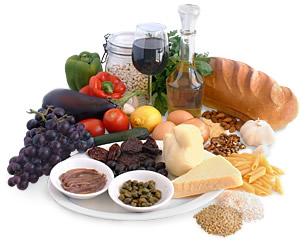
Mediterranean "Life-t" not Diet

The research results was first released last year. Staying on the right track and on the right trail has gotten the Columbia University Medical Center (CUMC) to the couch crowd with it's to be released in full study: "Mediterranean Diet May Lower Risk of Brain Damage That Causes Thinking Problems"
"The Mediterranean diet includes high intake of vegetables, legumes, fruits, cereals, fish and monounsaturated fatty acids such as olive oil; low intake of saturated fatty acids, dairy products, meat and poultry; and mild to moderate amounts of alcohol. For the study, researchers assessed the diets of 712 people in New York and divided them into three groups based on how closely they were following the Mediterranean diet. Then they conducted MRI brain scans of the people an average of six years later. A total of 238 people had at least one area of brain damage." The American Academy of Neurology (AAN)
We think that the link between diet and health benefits is more than just a link. We think the entire idea behind medication is finding the right chemicals to restore your health to balance. While excess is admittedly a bad thing as too much is too much. We're not looking for a instant bullet to make a "couch potato life" the only life. We think of it like a "snow emergency." Or like a natural disaster except it's anything but natural.

There are times in our lives when we can't get the things we need because of our circumstances. This does not mean that it'll always be this way only that something is wrong and we need to survive until our life gets back "in balance." Living life until balance is restored whether it's a "9/11/2001," excessive weather struggles (water, earth or snow) or involuntary unemployment. How do we get to tomorrow with having an ethnic heritage that contrary to healthy living?
This population-based study in a multi-ethnic community living in Northern Manhattan, observed 1880 elderly subjects, with an average age of 77. The participants were interviewed about their level of physical activity and dietary habits, and their responses were then summarized into two single scores. The study subjects were then followed to observe which subjects went on to develop Alzheimer’s over the course of approximately five and a half years. (Nikos Scarmeas, M.D., August 11 ) (CUMC)

“So it seemed that the more that they were doing in terms of both diet and exercise, the lower was their risk for the disease,” said Dr. Scarmeas. Dr. Scarmeas further noted that even low degrees of physical activity reported by these elderly study subjects seemed to be associated with having a protective effect against Alzheimer's. “This study is important because it shows that people may be able to alter their risk of developing Alzheimer’s by modifying their lifestyles through diet and exercise,” said Dr. Scarmeas. (CUMC)
Eat drink and be merry for tomorrow you will remember and live! CBS News reported: "Some people dislike the term "soul food," a phrase that was coined in the mid-1960s to describe the food developed by African-Americans of the southern US, because they think it is pejorative. But food historian and writer Donna Pierce embraces the term, saying that soul food is the one common factor that African Americans across the country have in common, and argues that there is a clear differentiation between soul food and Southern cooking."

The research conclusions were: "Higher adherence to a Mediterranean diet was associated with slower MMSE cognitive decline but not consistently with other cognitive tests. Higher adherence was not associated with risk for incident dementia." Journal of the American Medical Association (JAMA)

Our conclusions that soul food or southern cooking doesn't do enough to prevent what we know are the leading causes of death for not only Americans but for residents in our jurisdictions either. When we're dying from preventable factors and that these factors (hypertension as a risk factor for cognitive impairment - American Journal of Hypertension (AJH)) also contribute to a lower quality of life and lower quality of living.

Of course you could also ignore us and continue to eat the way you always have and the good news is you'll probably forget that you even knew better. When we die we'll be aware and in full control of our faculties - boy that'll suck!

Friday, January 29, 2010

Fat Happy and Seventy

If we're any indication Pearlie Mae did NOT live longer than her twin sister Mamie nor her older sister Alice. Alice was less mobile than either younger sisters but what she did have they didn't was weight. Not just the weight of her wisdom and memories of older children long since passed but size. In her final days the family had to assist in her hourly care which we did grateful though not tirelessly. It wore us out. Her son traveled by plane weekly to assist in her care. Her daughter maintain primary and overall care of Mother Alice.

Currently the "study published today in the Journal of The American Geriatrics Society (AGS). Researchers looked at data taken over a decade among more than 9,200 Australian men and women aged between 70 and 75 at the beginning of the study, who were assessed for their health and lifestyle as part of a study into healthy aging. The paper sheds light on the situation in Australia, which is ranked the third most obese country, behind the United States and the United Kingdom."

The results are in and though not an American study only one conclusion can be reached and that is - the couch wins! While it might be true for the US there are other research studies that point in a different direction for other nationalities. Specifically, "Lean Mass Index: A Better Predictor of Mortality than Body Mass Index in Elderly Asians" from the same Journal of The American Geriatrics Society (AGS).
"[T]he researchers concluded that the type of disease which caused their death, for example heart disease or cancer, did not affect the level of protection being overweight had. To remove any risk of bias in participants with illnesses which caused them to lose weight, and also increased their risk of dying, the researchers contrasted subjects who were relatively healthy compared with those who had major chronic diseases or smoked and found no apparent differences in the BMI: mortality relationship."
But we're neither asian nor concerned about negative news. We'll listen here and just think of us ourselves as Aussies! Of course you've got to get to seventy (70) years of age before you can really derive any benefits from being fat and happy! From other studies we know if we want to live to sit on our butts to old age that that extra spare tire or chin and a half can protect you against heart disease or cancer rather than be a source of heart disease or cancer. We're not sure why this is we're just glad it's so. Maybe its more of that everything in moderation we've heard so much about.

Pearlie Mae, Mamie and Alice all lived beyond seventy (70) years of age. First there were five (5) including Buddy and Nellie when there were just the few. Nellie was the baby and Buddy the baby boy. The baby Nellie went first and then Buddy - both big fat and happy. Buddy more than Nellie though his respiratory strength was the worst. In their cases Nellie only left to go to church and Buddy needed full time nursing care when sitting up became too much for his lungs. One by one and then there were gone.

Monday, January 25, 2010

Death By Couch

An editorial putting forth the argument that exercise is beneficial which on its face appears to be an accepted premise. Hopefully the actual research will offer a bit more detail and specifics. When we tried to verify the claim that couching can kill you.

We found this information at University of Kansas Medical Center (UKMC) Exercise and the Brain: KU Medical Center Collaborating with the YMCA in Innovative Study, the results of which should be available in about a year.

While we could not find the Swedish editorial in the British Journal of Sports Medicine (BJSM) we did find this article relating to exercise and Alzheimer. What do you do when you can't remember if you exercised or to exercise?

Exercise is beneficial for patients with Alzheimer's disease: A call to action - Alzheimer's disease (AD) is the most common neurological disorder associated with aging, and has a global prevalence of 6% in people over the age of 65.
  1. It is also the most common cause of dementia, accounting for 50-60% of all cases.
  2. The increase in life expectancy of the world population is expected to translate into many more cases of dementia – it is estimated that 1 in 85 persons worldwide will be affected by AD in 2050.
  3. Clearly Alzheimer’s disease is a major public health problem. (BJSM)
"Long periods of sitting at desk can cost you your life," according to the Yahoo News Article. Writing in the British Journal of Sports Medicine (BJSM), Elin Ekblom-Bak and colleagues from the Swedish School of Sport and Health Sciences and the Karolinska Institute in Stockholm said that sitting still should be recognised as a risk to health, independently of taking too little exercise.
"One study compared two groups of sedentary office workers, one of whom had regular breaks to move around while the other remained sitting for up to eight hours a day. The group that had the breaks had better blood lipid levels and blood glucose and less obesity."
"Another study from Australia showed that for every extra hour women spent sitting, their risk of metabolic syndrome - a pre-cursor of diabetes and heart disease, rose by a quarter, regardless of how much exercise they took. Dr Ekblom-Bak said: "It is important to have a five minute break from desk work every 45 minutes. Don't email colleagues - walk across the office to give them the message. Take a coffee break or put the printer in the next room. I am a desk worker and I try to do it. It is not difficult but sometimes you get lost in your work and you forget about it."(ANI)
When the story appeared in Medical News Today (MNT) it includes a PDF from the British Journal of Sports Medicine that says - "We need to consider that we are dealing with two distinct behaviours and their effects:
  1.  the benefits of regular moderate to vigorous-intensity physical exercise and
  2.  the risks of too much sitting and limited non-exercise everyday life activity. If found to be true, the clinical importance and implication of this new paradigm is extensive. In the future, the focus in clinical practice and guidelines should not only be to promote and prescribe exercise, but also to encourage people to maintain their intermittent levels of non-exercise daily activities. Climbing stairs rather than using elevators and escalators, 5 minutes of break during sedentary work, or walking to the store rather than taking the car will be as important as exercise. In the demanding and stressful society of the present, to prescribe these low and minimally time-consuming efforts may encourage many people with problems in maintaining a sufficient level of exercise.
We found it. Thanks to the MNT we actually find the editorial though only in this PDF format.

If the goal of the father is to as, Chris Rock says to "If you can keep your son off the pipe and your daughter off the pole, you're ahead of the game." Then the goal for children and the married is too keep your parents and mate from being alone in old age.
"Elderly women are less likely than men to live in a family setting. After age 75, most women are widowed and live alone, while most men are married and live with their wives."
"Elderly women (16 percent) were more likely to be poor in 1992 than elderly men (9 percent). Of the 2.3 million elderly poor who lived alone in 1992, 2.0 million were women."
"In 1990, elderly with a self-care or mobility limitation were more likely to be poor (20 percent) than elderly without such limitations (11 percent)."
The Census article "65+ in the US 2005" (PDF)

Sitting Time and Mortality from All Causes, Cardiovascular Disease, and Cancer(ACSM) comparing the editorial to a twelve (12) year study of 17,013 Canadians 18-90 yr of age. Results: There were 1832 deaths (759 of cardiovascular disease (CVD) and 547 of cancer) consistent with our areas and the nation's causes of death.

We can agree with the Swedish School of Sport and Health Sciences in that we should get off the couch to use the bathroom every 45 minutes. We'd even go so far as to suggest we do so every half hour as long as we don't have to walk up stairs. After all - all that sitting isn't good for the gluteus maximus.

In March 2008 Australian researchers began testing a trial in Melbourne and Sweden called PBT2. Now there's been progress as the trials move to "a very preliminary stage of development, examples of new exciting drug therapies include: PBT2, which opposes A-beta production, and has been shown to improve the brain function of people in early stages, Rember, a drug which is showing an 81 per cent improvement in the rate of mental decline, and AL 108, a drug administered by way of nasal spray." The article refers to Alzheimer's Society of Canada but the research information is old and starting on its second year since its revision in 2008.

Thursday, January 21, 2010

It's Better To Look Good...

...than to feel good if you know what I mean. (Billy Crystal as Fernando Lamas (Video)
For many people including pseudo celebrities "Speidi" you never really look good until you've had something "fixed" with plastic surgery. The latest trend in research seems to be following that credo. Today's news comes this story from ABC News, LA Times and Wall Street Journal:
Fish Oils May Slow Genetic Aging in Heart Patients - "In the study, Dr. Ramin Farzaneh-Far of the University of California San Francisco and colleagues followed more than 600 men with heart disease and found those taking the most omega-3 appeared "biologically younger" -- that is, the ends of their chromosomes, called telomeres, looked longer and healthier."
The question becomes: What could it hurt? Though if we were heart patients aging wouldn't be so much on our minds as not dying. To be honest you can't age if you're dead. So "younger" appearing wouldn't be our first concern.

The American Heart Association (AHA) understands this and offers us a way of not just looking healthier but staying alive which is a great way of slowing death. AHA doesn't just offer a single solution but seven (7) simple life's steps to live better. Unfortunately it's seven or the familiar blah, blah, blahs as before or to quote Seinfeld: "YADA YADA YADA long story short" we've heard it all before and it doesn't work for the couch obsessed.


The information isn't really news worthy or new. It bears repeating because regardless of the familiar blah, blah, blahs until there's a change in the causes of death not just in country but locally as well. If the AHA wasn't trying to keep us alive we'd be fairly perturbed. From their no news news to their "National Wear Red Day" as a tool of celebration featuring real women to make this a day to remember?!?! It's all so confusing. We mean aren't all women, except maybe for "Speidi," real? We guess they mean not actresses, who are after all real women aren't they? If you're an actress do you lose your gender?

It's purpose seems lost on the organization which only later suggests that purpose is to help raise awareness of cardiovascular disease in women. Our suggestion to raise awareness of something that doesn't sound so medical and isn't so confusing. Maybe we can help raise awareness of not prematurely dying.
Study Shows Regular Exercise Benefits Prostate Cancer Survivors - "even a moderate amount of exercise – taking regular walks, for example – reduced overall mortality rates in men with prostate cancer. The more vigorous the exercise, the greater the benefits, the study found." (23% - 51% - editor's note) "Find an activity you enjoy and get moving. Just be sure to talk to your doctor before starting any exercise program to make sure it's safe for you, especially if you haven't exercised in a long time." (American Cancer Society)
TYPES OF CANCERS
By Jurisdiction
1ST2ND3RD
District of Columbiaprostate cancerlung cancerbreast cancer
Maryland
Virginia
United States
lung cancerbreast cancerprostate cancer
North Carolinalung cancerprostate cancerbreast cancer
Cancer is the number one (1) and number two (2) cause of death in our jurisdiction and the nation falls into several categories. The figures are estimated for 2009 by the ACS. We've charted the top three cancers in our area by ribbons. In the District of Columbia first (1) sky blue for prostate, second (2) pearl (white) is lung and bronchus and third (3) is the familiar pink for breast cancer. Maryland, Virginia and the Nation places places lung first, breast second and prostate third. North Carolina does lung and bronchus first, prostate second and breast third.
In the beginning 51,529 men in health professions participate(d) in the study. This group is composed of 29,683 dentists, 4,185 pharmacists, 3,745 optometrists, 2,220 osteopath physicians, 1,600 podiatrists, and 10,098 veterinarians. Among the study participants are 531 African-Americans and 877 Asian-Americans. (Harvard School of Public Health)
We hesitated to use ribbons as symbols of types of cancer because of the conflict and crossover in colors and causes from the expanded use of the ribbons symbols. Yet no other symbols could consistently be used and understood in our minds.
"For the first time, the American Heart Association has defined poor, intermediate and ideal cardiovascular health -- using seven easy-to-understand measures." (AHA)
We're obviously in the poor category because we're too lazy to find the tools to measure what qualifies as poor but optimistic enough to consider ourselves "intermediate." What's most interesting is that our staff, comprised largely of women, are in the process of losing and while the men are gaining weight.

This is the kind of study we think should be prompted. We call this "couch" research because to do it we don't have to get off the couch to implement and benefit from it.
"Researchers at the University of Minnesota's Stroke Research Center looked at 4,435 people, aged 30 to 75 years, who were participating in ongoing national government health research from the National Health and Nutrition Examination Study. They found that over a 20-year period, those who had never owned a cat had a 40 percent greater risk of death due to heart attack and a 30 percent higher risk of death due to any sort of cardiovascular disease than previous or current cat owners. Researchers found no such protective effects for dog owners." (ABC News)
Our problem with the ABC report is in an effort to be fair and balanced they included opinions that referenced an older not as well researched study that contradicted this longer and larger study.
Pet ownership, social support, and one-year survival after acute myocardial infarction in the Cardiac Arrhythmia Suppression Trial (CAST) - "One year survival data were obtained from 369 patients (87%), of whom 112 (30.4%) owned pets and 20 (5.4%) died..."
Yes compare a one (1) year study with three hundred and sixty-nine individuals to a twenty (20) year study with forty-four hundred individuals. We verify and so now can you.

We can couch study with cats but other study says that we can't nap or rather if we do we'd better be careful.
"Among 2,153 participants in a prospective study with an average follow-up of 2.3 years, the risk of stroke was 2.6 times greater for those classified as doing “some dozing” compared to those with “no dozing.” Those in the “significant dozing” group had a 4.5 times higher risk." (AHA)
So cat in the lap but no cat nap with the cat in the lap! Also we've got to be careful when the cat is not in the lap but somewhere in the house.
Dogs and cats provide comfort and companionship, but it’s important to realize that pets and pet items can cause falls that result in injuries, including fractures. Every day it is estimated that an average of 240 people are treated in emergency departments—about 86,600 each year—for injuries from falls involving dogs and cats. This study examined five years of emergency department data and found that 88 percent of fall injuries involved dogs than cats. Among injuries related to dogs, about 31 percent of persons fell or tripped over dogs and 21 percent fell after being pushed or pulled by dogs. For injuries related to cats, 66 percent fell or tripped over cats. Raising public awareness that pets can cause falls and pets and pet-related items can be fall hazards can help reduce possible injuries. (Center for Disease Control and Prevention - CDC)
So as long as we're careful - What could it hurt? Maybe your cat? Did you know your pets can also get strokes? Neither did veterinarians until recently when research showed differently.
"Strokes in cats can be caused by an underlying medical condition, or through an accidental injury or poisoning. Ischemic strokes occur when the blood supply to the brain has been reduced, and hemorrhagic strokes occur when a vessel within the brain breaks." (PETWAVE)
It may be good for us to have our cats in our laps but it could kill your cat! For the solution to that problem we'll leave that up to the PETA scientists. Since cardiovascular disease isn't something that deserves more attention from us in our jurisdiction than the three (3) cancers that actually kills more of our residents we probably won't be wearing red on "National Wear Red Day!" We hope the AHA understands.

Monday, November 9, 2009

When Pigs Die!

Just as some jurisdictions are starting to begin the claim that the swine flu is starting to decline in severity - a claim which we vehemently are in opposition. What is true is that the deaths aren't substantially greater but that's in terms of overall deaths. What we maintain is that the deaths are preventable and unnecessary. What we maintain is that we don't want to be in those numbers. Just when, we will admit is in other parts of the country, they are starting to claim the worst is over we have the following from the World Health Organization (WHO) reporting: "Clinical signs such as coughing and diarrhoea were observed in a pig farm located in T’ai-Tung County on 19 October 2009."

The American Veterinary Medical Association (AVMA) reported to the World Health Organization that: "On November 5, Taiwan submitted a report to the World Animal Health Organization (OIE) confirming 2009 H1N1 in a swine herd in T’ai-Tung County. Illness was first observed on October 19 and tests confirmed 2009 H1N1 influenza on November 2. Clinical signs observed included coughing and diarrhea. All pigs have recovered from the illness."

What it hasn't done is gotten more severe. It's the most severe flu in over fifty (50) years but it hasn't gotten worst. "The World Health Organization has issued a statement that extensive testing has shown that the 2009 H1N1 influenza virus has not mutated to a more virulent form. In addition, the WHO emphasized that H1N1 infections in pets were "isolated events and pose no special risks to human health."

This H1N1 (swine flu) is not like other flus. This flu is different. From WHO we offer the following evidence:
"(U)nder the right conditions, influenza viruses from different species are capable of mixing and swapping genes (this is called reassortment), resulting in a new virus."
"(I)t is very uncommon for flu viruses to jump between species. However, on October 9, 2009, a USDA laboratory confirmed 2009/H1N1 infection in a ferret."
flying pigx
"On November 4, the Iowa State Veterinarian and the Iowa Department of Public Health announced that a pet cat was confirmed infected with the 2009 H1N1 flu virus. The cat's owners were ill and the cat developed respiratory symptoms shortly afterward. The cat has recovered and there is no evidence at this time that the cat passed the virus to any people."
"Keep in mind that dogs currently have their own flu virus, the H3N8 influenza (canine influenza) virus, going around. So far, this flu virus has only been spread from dog to dog. Dogs infected with the canine influenza virus show the same symptoms as dogs with kennel cough – fever, lethargy, loss of appetite, coughing, and maybe a runny nose."
"There is not a licensed and approved 2009 H1N1 vaccine for pets. The human H1N1 vaccine should not be used for pets. The canine influenza vaccine, which protects dogs from the H3N8 flu virus, will not protect pets against the 2009 H1N1 virus and should not be used in any species other than dogs."
We are not pigs, some of us have been accused of some unclean behavior and have eaten in a way to suggest we could have eaten less, but we aren't animals of the farm variety. Domestic maybe but that's debatable. There is a licensed and approved vaccine that can protect us. We just have to get access to it. What we do stress is that each life is precious and each death tragic. Retention and prevention should be our most pressing mission inspite of our couch like and unhealthy eating habits. We still want to live to make more bad unhealthy decisions.

We will leave you with this ONLY because yesterday was Sunday and we churched. While looking for a way to join the two stories we discovered this bible quote from the New Testament the eighth (8th) chapter of Luke: "Jesus asked him, “What is your name?” “Legion,” he replied, because many demons had gone into him. And they begged him repeatedly not to order them to go into the Abyss. A large herd of pigs was feeding there on the hillside. The demons begged Jesus to let them go into them, and he gave them permission. When the demons came out of the man, they went into the pigs, and the herd rushed down the steep bank into the lake and was drowned.

Is that weird or what?